
Solutions
About Us
My Intercargo
Support
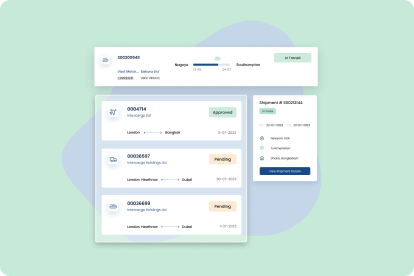
Keep all your data in one place which can be accessed from anywhere and anyplace
Let us help you 24/7 manage your supply chain needs
Latest News & Updates

Want to sell your freight forwarder? Start five years before you want to leave
This succession series began with a simple observation: plenty of European logistics entrepreneurs are getting older, while rather fewer sons and daughters seem interested in taking over the family forwarder. The second column looked at who might buy these businesses. The third ventured into the more delicate territory of what they might actually be worth. A few owners have since asked the logical next question. Fine. I am 63 or 65, the children aren't interested and, after 35 years ...
Source: theloadstar.com
Read more
HutchWatch: The $23bn port deal that nobody can close
Where we stand: CK Hutchison's mega-sale to BlackRock and MSC was supposed to settle the question of who controls the world's most strategic terminals. Eighteen months on, the answer is: it's complicated. When CK Hutchison announced plans in March 2025 to offload 43 ports across 23 countries to a consortium led by BlackRock and MSC's Terminal Investment Limited for $22.8bn, the deal was greeted with something close to relief. Washington saw the exit of a Hong Kong-linked operator from ...
Source: theloadstar.com
Read more
No post-peak relief for ocean freight as capacity tightens
The expected post-peak easing in ocean freight rates has failed to materialise, with resilient US import demand, weather disruption and carrier capacity cuts keeping the market under pressure. According to analysis presented during Cargo Trans' latest FreightTea webinar, September US imports are expected to reach some 2.3m teu - approximately 10% above the same month last year. The strength of demand has extended this year's peak season, despite expectations just weeks earlier that the market was beginning to soften. "When we last had this conversation on 30 July, we had every reason to believe that we were past the peak," said Barış Aytan, CargoTrans' director of client success and commercial operations. But the anticipated easing has not followed. Rates have remained elevated, after China-US west coast rates reached around $6,000 and east coast rates climbed above $9,000 during the peak. But the webinar highlighted capacity, rather than demand alone, as the key factor supporting rates. "The peak season has been extended; it hasn't ended," Mr Aytan said. "The demand is resilient." Three typhoons affecting Chinese ports in recent weeks have compounded the situation, with vessel delays around Shanghai reaching seven to 10 days. As of 12 September, 157 vessels were reportedly waiting to berth in Shanghai, with the resulting backlog potentially extending into October. At the same time, carriers are preparing for China's Golden Week holiday, with 78 blank sailings expected between weeks 38 and 43. The Pacific Southwest is expected to take the largest hit, with 29 blank sailings removing around 32% of capacity on the affected services. Geopolitical disruption is also influencing capacity decisions. Despite continued risks around the Red Sea, carriers are gradually returning to the route, encouraged by significantly higher freight rates. Mr Aytan noted that China-North Europe rates had risen from around $2,000 several months ago to almost $5,000 towards the end of July. "There is an appetite for risk right now," he said, adding that carriers can justify insurance premiums while seeking to capitalise on higher rates. However, the return of services should not be interpreted as evidence that Red Sea security risks have disappeared. "The situation there, the risk landscape there, is not any better than what it was two months ago," Mr Aytan said. Meanwhile, improving conditions at the Panama Canal could provide some additional capacity and help narrow the historical rate gap between US east and west coast services. The result is a market in which "effective capacity is actually the biggest story on the ocean trade" - with demand still strong, but available capacity determining where rates go next.
Source: theloadstar.com
Read more
Privacy Preference Center
This website uses cookies and similar technologies, (hereafter “technologies”), which enable us, for example, to determine how frequently our internet pages are visited, the number of visitors, to configure our offers for maximum convenience and efficiency and to support our marketing efforts. These technologies incorporate data transfers to third-party providers based in countries without an adequate level of data protection (e. g. United States). For further information, including the processing of data by third-party providers and the possibility of revoking your consent at any time, please see your settings under “Consent Preferences” and our
Privacy Notice