India's exporters struggling with shortage of empty boxes at JNPA
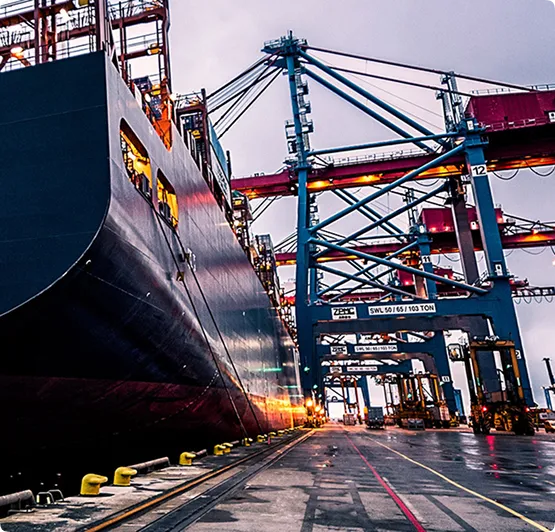
Indian container trade stakeholders at JNPA (Nhava Sheva Port) are reporting a growing shortage of empty boxes for exports, as widespread vessel schedule disruption weighs on equipment shipping cycles.
The shortage of empties is especially acute for French liner CMA CGM, according to market updates, but is affecting most carriers.
Container depots in and around JNPA have told customers they are unable to offer pick-ups of empties for CMA CGM.
Freight station service provider Seabird said: "Despite vehicles being sent to the yards and waiting in long queues, containers are still not being released due to the ongoing shortage. This situation is beyond our control and may result in delays or failure to complete the pick-up within the required timeline."
According to sources, 40ft boxes are scarcer than other types of equipment.
One source told The Loadstar: "We have had difficulty securing empty boxes for bookings with Hapag-Lloyd at several ICDs [inland container depots] in northern India."
India is, historically, a deficit region for ocean containers, so repositioning and boxes imported from the Far East remain the major inventory replenishment sources for container lines.
Industry, in large part, attributes the equipment crunch to two factors: equipment inventory cycles being hobbled by service reliability pressures; and stronger demand for Indian exports in recent months.
Major Indian ports saw a stronger-than-anticipated rush of export shipments last month, particularly bookings to the US, for which 40ft boxes are mostly used.
Indeed, JNPA enjoyed record container throughput in August - handling some 832,000 teu, up 12% month on month and 20% year on year, according to official data. Even more significantly, the port handled more export containers than imported boxes, a rare trade pattern at Indian gateways.
India's overall goods export trade by value has expanded at a strong pace over the past two months, government data shows.
"The 26.12% growth in August is a very encouraging performance, and yet again reflects the resilience, competitiveness, and adaptability of Indian exporters," said SC Ralhan, president of the Federation of Indian Export Organisations.
"Equally significant is the broadening of India's export markets, which indicates that our exporters are increasingly leveraging new and emerging opportunities while strengthening their presence in traditional markets," he added.
Meanwhile, other supply chain hurdles are testing the pace of cargo volumes moving in and out of Indian docks.
Indian importers and customs brokers have voiced frustration over cargo data filing hiccups, due to glitches on the national electronic platform. Widespread system errors and manifest filing failures have been reported on the ICEGATE -- Indian Customs' integrated gateway portal, leaving importers and customs brokers struggling to clear goods and facing major penalty consequences.
Indeed, the Brihanmumbai Custom Brokers' Association said: "Clearance of cargo covered by the affected manifests has come to a complete standstill."