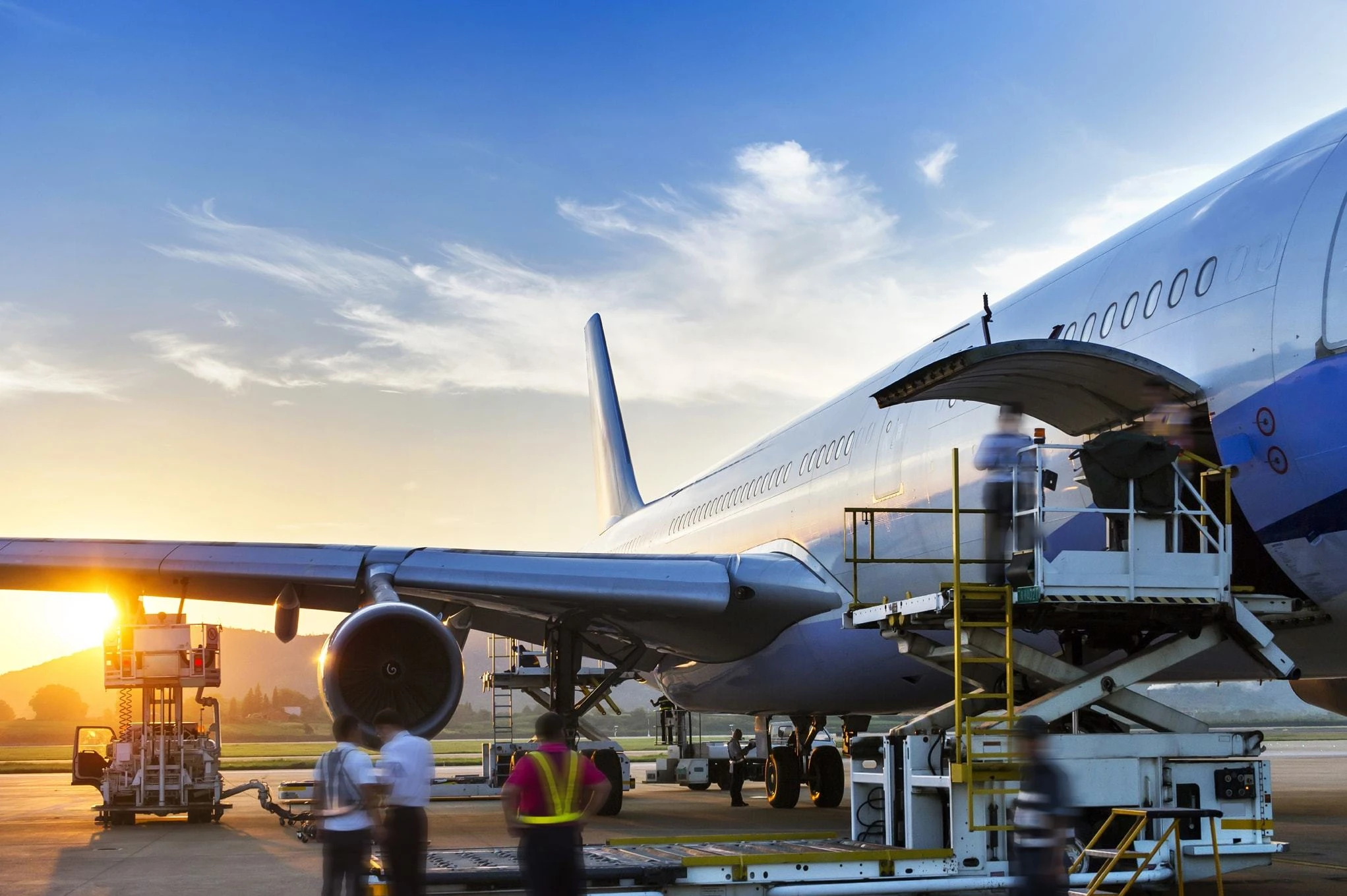
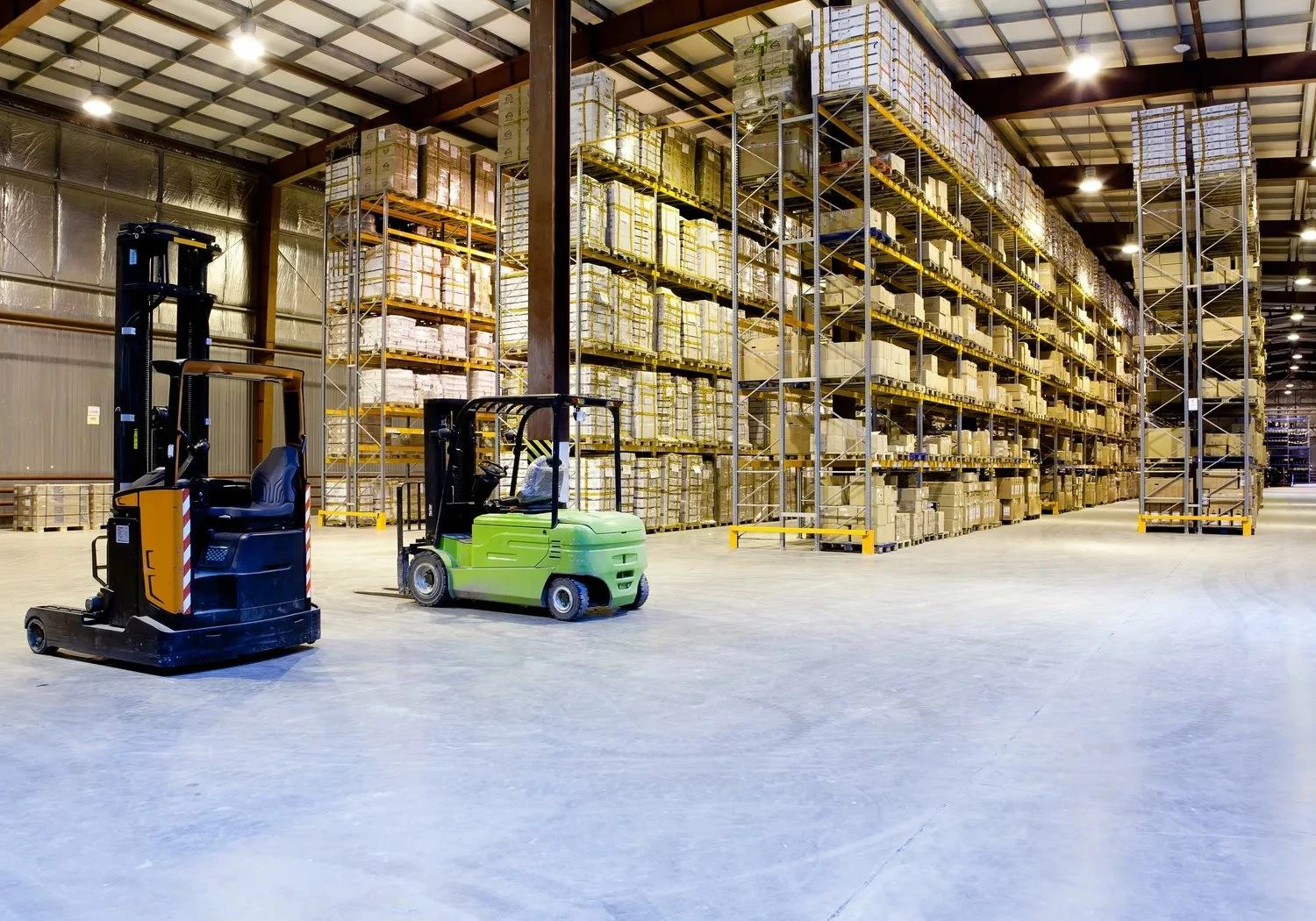
We understand the ever changing needs of our customers

we provide a high level of service dedicated to fulfilling all your shipping requirements

Watch Video
Road Freight

Keep all your data in one place which can be accessed from anywhere and anyplace

Let us help you 24/7 manage your supply chain needs

Latest News & Updates

Airbus secures eight A350 freighter orders from unnamed customer

Airbus has secured eight orders for its soon-to-launch A350 freighter from an unnamed customer. The order for the eight freighters was secured on 31 August and was listed on the airframer's orders and deliveries report for the month. In total, Airbus has now secured orders for 115 A350 freighters from 15 customers. The order comes as Airbus prepares to start its test flight campaign for the model. Last month, Reuters reported that Airbus was hoping to carry out the first flight of the aircraft towards the end of September. Quoting industry sources, the newswire said the airframer is hopeful the first flight will take place on around 24 September, although there is always the chance that technical issues or inclement weather could push that date back into October. In response to questions from Air Cargo News, Airbus said: "The maiden flight is expected later in 2026, followed by the first delivery in the second half of 2027." Airbus is hoping to start to deliver the aircraft to customers by the end of next year, which would give it a maximum of 14 months to gain certification for the model. The company is targeting simultaneous certification from EASA and the FAA under the latest Amendment 27 safety regulations. The last order for the aircraft came in May when Cathay Cargo added an additional two Airbus A350 freighters to its existing order for six of the new-generation aircraft type. Also in May, Airbus and Air China Cargo confirmed the airline's purchase agreement for four A350Fs to add to its existing order of six. In March, Atlas Air also placed a "landmark" order for a total of 20 of the aircraft, with options for 20 more of the model. Meanwhile, last week, Boeing signed a letter of intent with Indian air cargo solutions company Afcom Holdings Limited for up to four of its rival Boeing 777-8 freighters. Rumours have also emerged that Ethiopian Airlines is reportedly considering purchasing up to 10 freighters from Boeing, including 777Fs and new generation 777-8Fs. However, in terms of total confirmed orders, Boeing has secured 81 orders for the 777-8F.

Source: aircargonews.net

Read more

Miami operations back to normal after tragic Amazon freighter crash

Cargo operations at Miami International Airport appeared to be running broadly normally this morning, less than 24 hours after a fatal Amazon freighter crash brought flights to a halt and caused widespread disruption. Freighters were again arriving and departing the major US cargo gateway, with little indication of a significant reduction in 21 Air's operation following the loss of its 32-year-old Amazon-chartered B767, which caused the death of five people.. The recovery follows the major disruption yesterday, when more than 160 flights were cancelled and nearly 325 delayed as the accident prompted a ground stop lasting around three hours. The crash occurred just before 2pm when 21 Air's flight 7598, a B767-300F from San Juan, over-ran runway 30 on landing. The aircraft left the airport perimeter, crossed a road and struck vehicles, before coming to rest and catching fire. At least five people were killed and five injured, three critically. Rescue crews had to extricate the aircraft's pilots from the cockpit. The FAA and NTSB are investigating and no cause has yet been established. However, attention is focusing on what happened during the landing. Flight tracking data shows the aircraft, registration N1997A, was still travelling at 112 knots as it left the usable runway area. There were thunderstorms and strong winds in the vicinity, and aviation experts have suggested investigators are likely to examine where on the runway the aircraft touched down, as well as the weather, braking performance, condition of the aircraft, and crew actions. There was no emergency declaration from the pilots before landing, according to a review of air traffic control communications by CNN. The accident has put the rapidly expanding US cargo airline under scrutiny. Although headquartered in Greensboro, North Carolina, 21 Air has a significant presence at Miami, where it operates a 24-hour operations centre and stations pilot and loadmaster crews. The Part 121 all-cargo carrier flies for customers including Amazon, DHL, and Cargojet, and has grown rapidly in recent years. When logistics entrepreneur and Houston Astros owner Jim Crane acquired the airline in 2021, it operated just four or five freighters. By April this year, its fleet had reportedly grown to 16, including seven B767-300 converted freighters operating within Amazon's domestic air network. More recent data from aviation analytics firm Cirium, following Sunday's accident, puts the number of 767s operated by 21 Air for Amazon at eight. The Amazon relationship itself is relatively recent, with 21 Air beginning flights for the ecommerce company in late 2024. The airline has also undergone significant ownership and management changes this year. In April, Canadian freighter operator Cargojet sold its 25% holding in 21 Air, ending an investment it had held since 2021 and leaving Mr Crane in control. Cargojet said the divestment would allow it "to focus capital on its Canadian domestic network, ACMI and charter operations", although the companies have continued to work together commercially. Cargojet still reportedly leases one 767-200 and one 757 to 21 Air, with leases expiring May 2027 and August 2031 respectively There has also been a change at the top. of 21 Air: CEO Tim Strauss's two-year contract expired this year and Keith Winters, a former CEO of Crane Worldwide Logistics and long-time associate of Mr Crane, was brought in to run the carrier, tasked with building out the management team to support an "accelerated growth plan". And 21 Air's ambitions extend well beyond its 757 and 767 operations. The carrier is seeking to add 777 freighters and enter the long-haul international cargo market, with Mr Crane saying earlier this year he hoped to have the aircraft type added to 21 Air's operating certificate by the end of 2026. "The revenue base on those 777s is probably triple that of the planes we're running. And they're flying long routes, so you get a lot of billable hours," he said. Separately, 21 Air has been awaiting an FAA decision on a long-running application concerning pilot experience requirements across its 757 and 767 fleets. The airline petitioned the regulator in March 2025 for permission, subject to specified conditions, to count combined experience on the closely related 757 and 767 towards certain crew-pairing requirements. It also sought permission for combined captain experience across the two types to count towards the 100-hour threshold after which a newly qualified captain is no longer subject to higher landing minima. 21 Air argued its training and experience requirements would provide an equivalent level of safety, and said having to satisfy the experience requirements separately on both aircraft types would increase training and operating costs. As of 31 July, the application remained unresolved, with 21 Air writing to the regulator to say it had received neither an approval nor denial, and requested an update. The Loadstar could find no subsequent FAA decision on the application. There is no evidence that the exemption application, the experience of the pilots involved, or 21 Air's rapid expansion played any role in yesterday's accident. Amazon spokesperson Kelly Nantel said of the accident: "This is a fast-moving situation and we're still gathering details. We're working closely with local authorities and officials to understand exactly what happened. "Right now, our absolute priority is the safety, well-being, and care of everyone involved. We're doing everything we can to support those affected." Mr Winters said all at the carrier were "devastated" by the accident, adding: "Our deepest condolences are with the families and loved ones of those who lost their lives. Our immediate priorities are supporting those affected, assisting the authorities, and ensuring that accurate information is communicated as it becomes available. "We are cooperating fully with the National Transportation Safety Board, the Federal Aviation Administration, and local authorities. The circumstances of the accident are under investigation." The NTSB is expected to provide its first detailed update on the investigation later today. The Miami accident is the second fatal crash involving an aircraft operating for Amazon Air. In February 2019, an Atlas Air B767 freighter operating an Amazon flight from Miami crashed into Trinity Bay, near Houston, killing all three people on board. The NTSB concluded that the first officer's inappropriate response to an inadvertent activation of the aircraft's go-around mode "led to spatial disorientation and a steep descent". For more detail, check out Amazon's Miami runway disaster exposes fragile seam of air cargo contract carrier model. Check out today's News in Brief podcast, on geopolitics, port congestion ,& rising air freight rates, featuring former liner executive Nils Roche

Source: theloadstar.com

Read more

Indonesian airports reopen after volcanic eruption

Air cargo supply chains from Indonesia are in recovery mode after a volcanic eruption over the weekend resulted in the closure of many of the country's major airports. Anak Krakatau, which is located in the Sunda Strait between Java and Sumatra, began erupting on Friday and spewed out ash for much of the weekend resulting in the closure of eight airports in the country, including Indonesia's main airfreight gateway, Jakarta Soekarno-Hatta. Soekarno-Hatta, along with four other airports have since reopened, but the closure is expected to have caused major disruption to the country's air cargo operations. More than 3,000 flights are reported to have been cancelled, leaving cargo stranded. Freight forwarder Atlantic Pacific said it could take some time for air cargo operations to recover. "Even once airports reopen, airlines will need time to restore aircraft rotations, reposition crews and clear accumulated cargo backlogs," the forwarder said. "This could lead to slower recovery times, reduced short-term capacity and missed onward connections." This view was echoed by Global Logistics Freight Solutions: "The impact on airfreight will not necessarily end with the reopening of the airports. "Cargo that was due to travel during the closure will need to be rebooked or accommodated on restored services. Aircraft and crews have been displaced from their planned rotations, and airlines must inspect 178 aircraft that were grounded at Soekarno-Hatta. "This can create pressure on available capacity and lead to delayed uplift, missed onward connections and cargo rollovers over the coming days." UK forwarder Unique Forwarding warned of knock-on effects at other airports. "Although no airports outside Indonesia have closed, freight moving to or from the UK through regional hubs such as Singapore, Kuala Lumpur and Doha could experience knock-on delays as airlines reposition aircraft and work through disrupted schedules," the company said.

Source: aircargonews.net

Read more

Privacy Preference Center

This website uses cookies and similar technologies, (hereafter “technologies”), which enable us, for example, to determine how frequently our internet pages are visited, the number of visitors, to configure our offers for maximum convenience and efficiency and to support our marketing efforts. These technologies incorporate data transfers to third-party providers based in countries without an adequate level of data protection (e. g. United States). For further information, including the processing of data by third-party providers and the possibility of revoking your consent at any time, please see your settings under “Consent Preferences” and our


Privacy Notice


Privacy Preference Center

Strickly Necessary Cookies
Always Active

Performance Cookies

Functional Cookies

Targeting Cookies