Advance booking critical as hi-tech nabs peak airfreight capacity
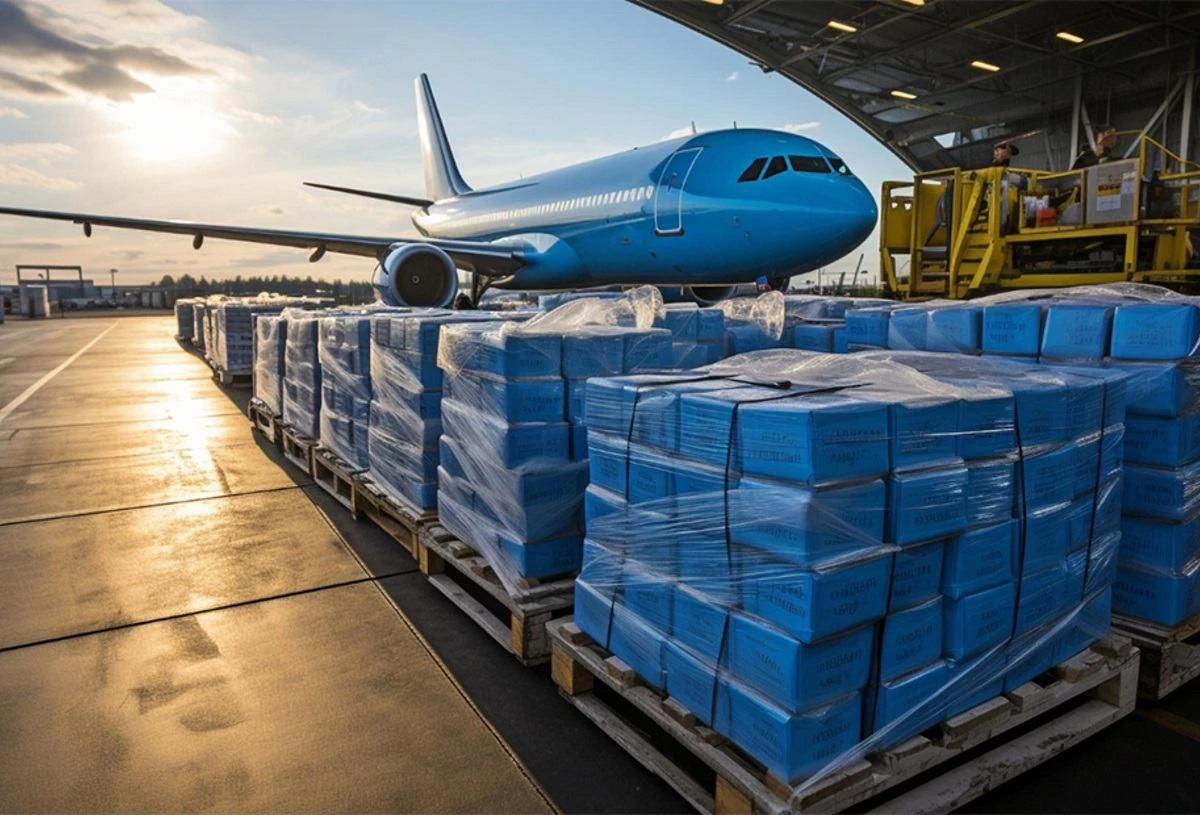
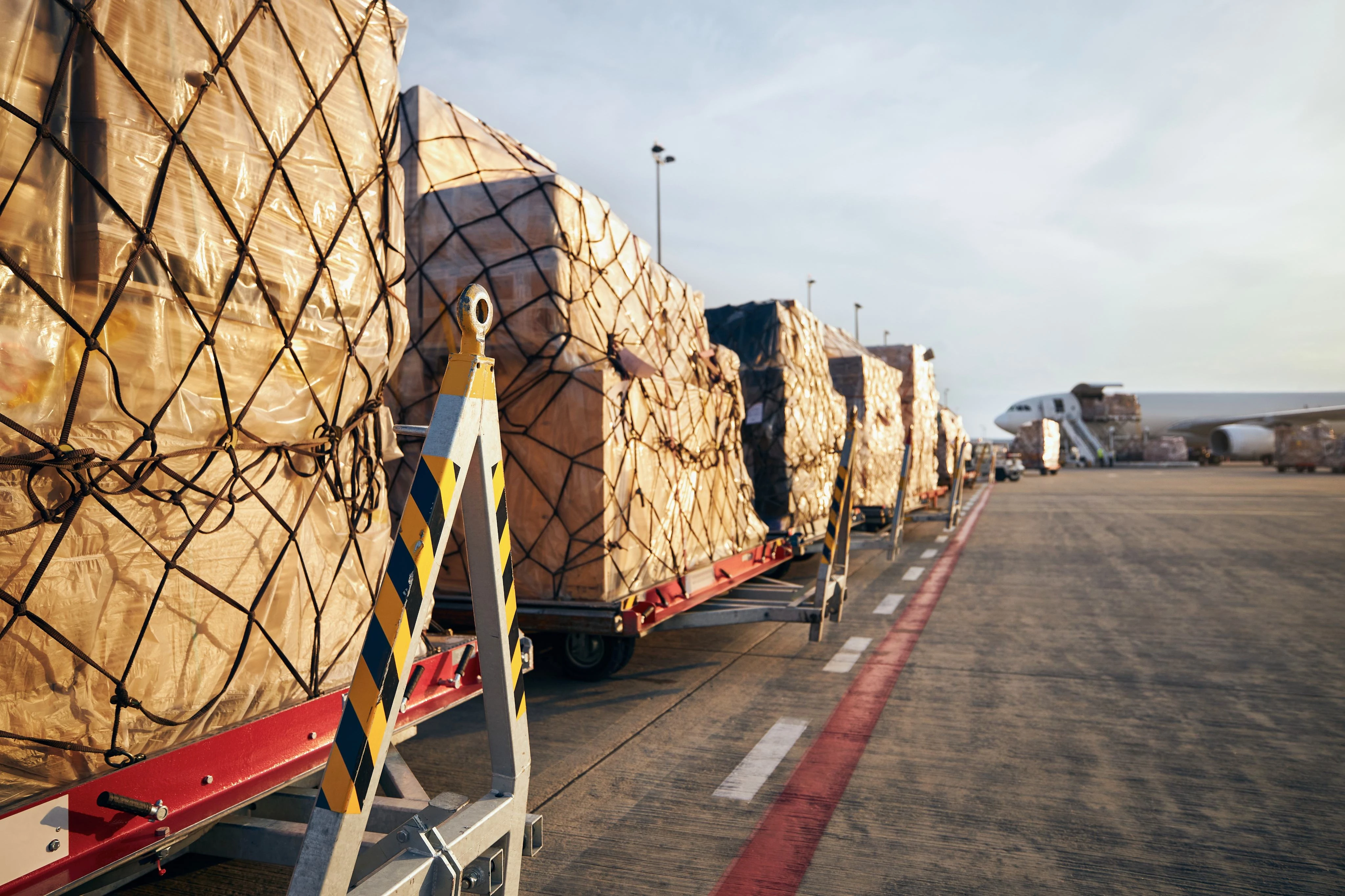
In times of urgency it's often airfreight to the rescue, but during this peak season shippers may have to look elsewhere to move cargo from the Asia Pacific region to North America, elbowed aside by AI-related traffic. In its Asia Pacific Freight Report for August, Taiwan-based logistics provider Dimerco noted that airfreight capacity from several origins in the region to the US remained tight, with pricing on the rise. It highlighted Taiwan and South Korea as the most challenging markets to find lift but noted that other origins - notably Malaysia and Thailand - were also faced with capacity constraints., "Dynamic load factors on Asia-US lanes have reached about 90%, the report stated, adding that AI-related traffic was the main driver of demand. And the peak season is not likely to change the picture, warned DHL Global Forwarding's Fabio Weiss, SVP air freight for Asia Pacific. "We anticipate a more technology-driven peak season, rather than the traditional retail-led peaks of the past. Demand for AI hardware, semiconductors, server systems, and other hi-tech products should remain elevated, while industrial and advanced-manufacturing cargo will continue to compete for space on the same premium lanes," he said. Shippers of consumer products with lower margins will likely face challenges in securing airfreight capacity. Kenneth Leung, SVP of Dimerco, said: "Capacity of course becomes a concern, and a stronger possibility of rate increases, particularly if a shipper has to use an airfreight charter service." Mr Weiss added: "Because AI infrastructure components are often high-value, time-critical, and tied to fixed deployment schedules, they tend to compete strongly for premium capacity. Shippers in consumer electronics, automotive, telecoms, and industrial sectors are therefore reviewing which products genuinely need to fly. Less time-sensitive accessories, components, industrial parts, and planned replenishment cargo may move by ocean or sea-air." "For some shippers, a switch to ocean freight might work," Mr Leung added. But Mr Weiss stressed that these capacity constraints did not affect the entire tradelane between Asia Pacific and the US. "AI-related cargo is not creating a universal shortage of airfreight capacity, but it is placing structural capacity pressure on specific technology-focused lanes. This is particularly visible between Taiwan and the US, as well as from selected South-east Asia and intra-Asia origins," he explained. He added: "This should not be viewed simply as AI cargo crowding-out other industries. Rather, it is accelerating a more disciplined approach to modal choice, reserving airfreight for cargo where time, value, and continuity matter most." Rather than relying on one optimised route, shippers are designing supply chains around optionality by diversifying sourcing locations, using alternative gateways, spreading production across several countries, and positioning inventory closer to major end markets, he said. "Our customers are also planning shipments further in advance, building contingency capacity into critical periods, and combining air, ocean, and sea-air solutions to optimise cost and speed. "In today's dynamic world, resilience is not about finding one perfect route, but having several viable options and the data to make an informed choice to switch between them before a disruption becomes a bottleneck," he continued. According to him, the character of the peak season itself is also undergoing a transformation. "Rather than one broad rise and fall in volumes, we expect shorter, sharper periods of pressure around specific origins, project milestones, and product launches. I "n previous market observations we have seen demand arrive earlier, with customers booking in shorter windows or securing buffer capacity to manage uncertainty. With AI and semiconductor shipments replacing e-commerce as the primary capacity driver on some lanes, capacity may tighten periodically, particularly from Taiwan and selected South-east Asian gateways. "This peak season may be defined less by how high total volumes rise, and more by where, when, and how quickly technology demand concentrates. For shippers, early forecasting and advance bookings will be even more critical," he reflected.
Source: theloadstar.com
Read more
Record July shows the 'underlying strength of global container trade'
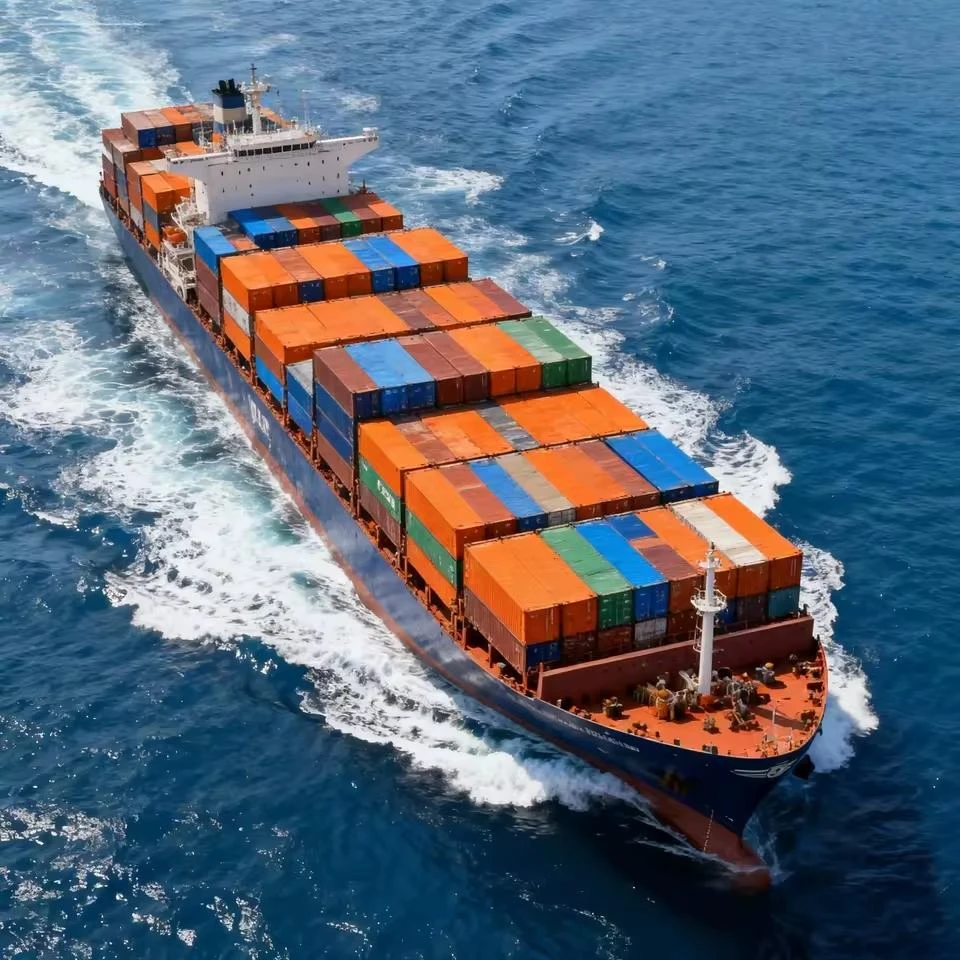
July saw a new record for container shipments in a calendar month, according to the latest data from Container Trades Statistics (CTS), which recorded 17.3m teu shipped, around 25,000 teu above the record set in May. "July was not only a standout month in isolation. Year-to-date, global volumes are 5.1% higher than in the same period in 2025, while July 2026 itself was 4.5% higher, year on year," CTS said. "With volumes continuing to reach unprecedented levels despite considerable market disruption, the underlying strength of global container trade remains clear," it added. Sub-Saharan Africa was yet again the standout performer in terms of percentage growth, with year-to-date imports up 14%, while Europe was up 6.1% for the same period. However, one of the more perplexing trends in recent weeks has been the way transpacific spot freight rates have shown continued strength, despite a relatively weak demand picture - North American imports from the Far East in July stood at 2.23m teu, 4.2% up on the same month in 2025, which followed a very flat June in which 2026 volumes were just 0.7% higher than June 2025. However, July's price index on the Far East-North America corridor jumped 46.5%, compared with July 2025. There were several factors at play during what transpired to be an extended peak season that had showed its first signs of life in early April, but the reality for US importers shippers today is that some - particularly on the east coast and continuing to use all-water services - is that spot rates are once more approaching all-time highs. "Average spot rates from the Far East to the US east coast continue their ascent following the outbreak of conflict in the Middle East in February, climbing a further 25% since early July," said Xeneta chief analyst Peter Sand. "Spot rates are now just 14% shy of the Covid peak on 1 January 2022. It is unlikely we will see the market exceed that record-breaking level but it cannot be ruled out, and the fact it is even a topic for discussion shows how extraordinary the situation is," he said. Xeneta's short-term rate XSI index last week recorded a spot rate of $10,910 per 40ft from the Far East to the US east coast. "Average spot rates into the US east coast have already sailed past the Red Sea crisis peak by around $1,000 per 40ft. The growth in spot rates into US east coast has eased, but with Golden Week on the horizon [early October], further upward pressure should be expected," Mr Sand added. Analysts at Sea-Intelligence Consulting this week argued that the recent transpacific spot pricing strength was largely the result of judicious capacity management by carriers. "If we look at the transpacific trade in its totality, by adding the east and west coast, we find capacity has grown a total of 2.5% from 2024 to 2026, when we look at July + August. This equals an annual average growth rate of just 1.2%. "Using the WCI spot rate index, we can also calculate the average spot rate for July + August and compare 2024 with 2026. "Here we find the rate in 2026 is 8% lower in 2026 than in 2024 for the west coast. For the east coast, the rate is 9% lower. "These data do therefore not imply a structurally strong container demand development on the transpacific in 2026," Sea-Intelligence added. A reverse look at how Drewry's World Container index for July this year appears to support this analysis. After carriers imposed a general rate increase (GRI) on the trade at the beginning of July, until the end of the month the WCI spot rate on both Shanghai-Los Angeles and Shanghai-New York corridors was essentially flat, and even declined softly over the course of July. However, it rose again at the beginning of August, after the partial success of another GRI, while a 5% increase to the US west coast and 3% to the east coast, recorded on the WCI last week, was spurred by a 1 September GRI.
Source: theloadstar.com
Read more
China's supply chains go global as DC and Beijing start policing
In a nutshell: Chinese manufacturers have spent more than $200bn in three years building factories abroad, and China's logistics firms have followed with ports and rail lines of their own. This summer, both governments most exposed to that shift moved to police it within weeks of each other: Beijing restricting what its own companies can carry abroad, and Washington naming the third countries some of that trade may pass through on its way to American shelves.
Source: theloadstar.com
Read more
This website uses cookies and similar technologies, (hereafter “technologies”), which enable us, for example, to determine how frequently our internet pages are visited, the number of visitors, to configure our offers for maximum convenience and efficiency and to support our marketing efforts. These technologies incorporate data transfers to third-party providers based in countries without an adequate level of data protection (e. g. United States). For further information, including the processing of data by third-party providers and the possibility of revoking your consent at any time, please see your settings under “Consent Preferences” and our