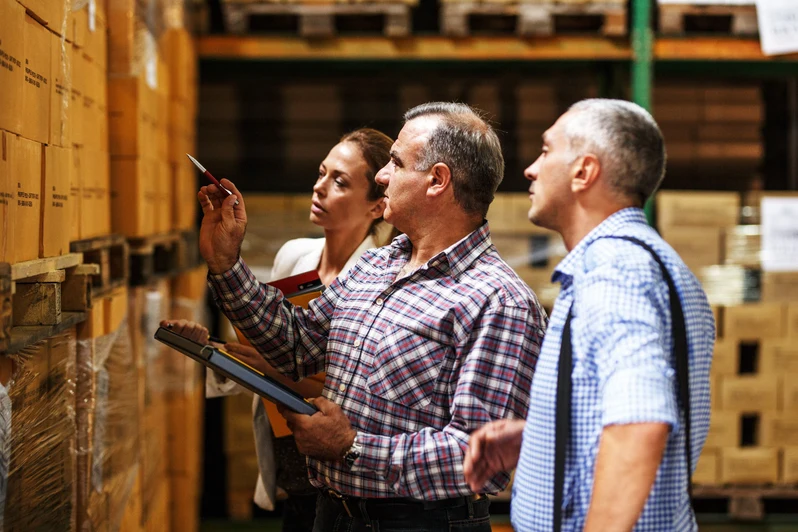
We understand the ever changing needs of our customers

we provide a high level of service dedicated to fulfilling all your shipping requirements

Watch Video
Road Freight

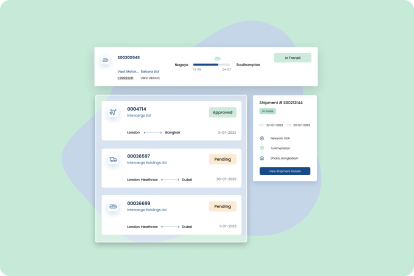
Keep all your data in one place which can be accessed from anywhere and anyplace

Let us help you 24/7 manage your supply chain needs

Back to Global Coverage

Iran Freight Forwarding Services
Restricted Air and Sea Freight Between Iran and the UK

Intercargo provides restricted freight forwarding services between Iran and the United Kingdom, helping businesses navigate complex international shipments by air and sea while respecting applicable sanctions and carrier restrictions.

Whether you are importing goods from Iran into the UK, exporting products from the UK to Iran, or managing sensitive international shipments, our experienced freight forwarding team provides restricted end to end logistics solutions. From collection and customs clearance to delivery, we manage every stage of the shipment process while prioritising compliance and carrier availability.
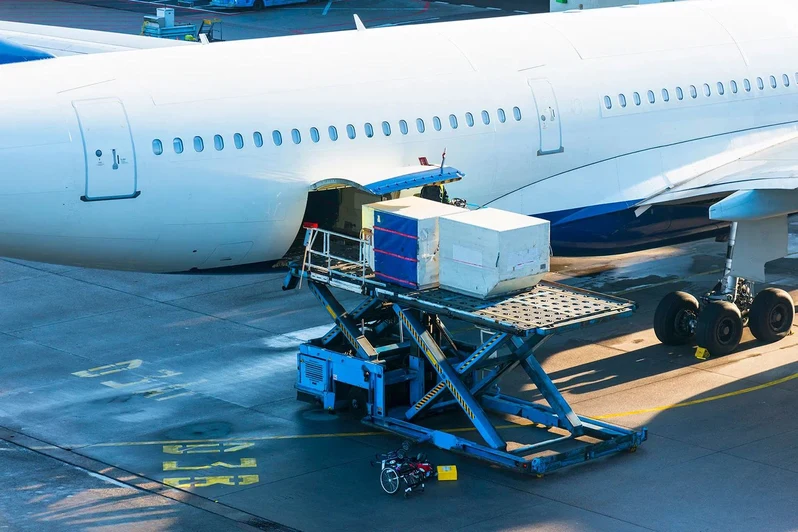
Restricted Air Freight Iran to UK
When speed matters, our Iran air freight services provide fast, secure and reliable transportation between Iran and the United Kingdom.
We arrange air freight through Imam Khomeini International Airport (IKA), with UK arrivals through London Heathrow, London Stansted, Manchester Airport, Birmingham Airport and East Midlands Airport.
Our air freight solutions include:

  • Air freight from Iran to the UK
  • Express and economy air cargo
  • Door to door delivery
  • Time critical shipments
  • Air freight from the UK to Iran
  • Airport to airport services
  • Customs clearance support
  • High value and commercial cargo

Whether you need urgent delivery of pharmaceutical products, automotive parts or commercial goods, our air freight specialists can provide the most efficient solution subject to carrier restrictions.
Logistics solutions
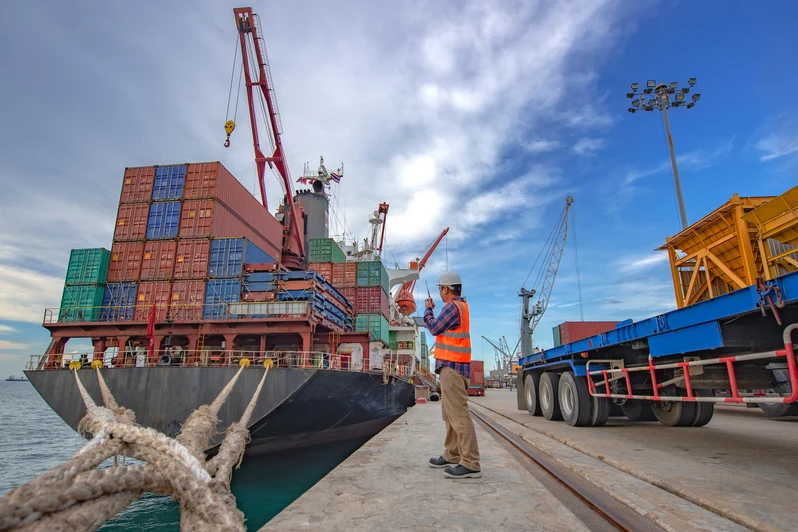
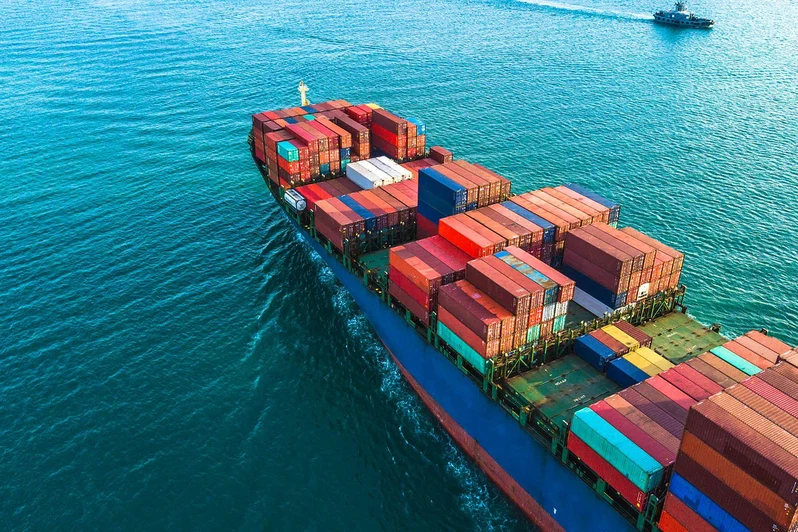
Sea Freight Iran to UK
For larger shipments and cost effective transportation, our sea freight services provide dependable shipping solutions between Iran and the UK.
We regularly arrange cargo movements through major UK ports.
Our sea freight services include:

  • Full Container Load (FCL)
  • Port to port shipping
  • Customs documentation
  • Project cargo
  • Less than Container Load (LCL)
  • Door to door logistics
  • Cargo insurance
  • Oversized and heavy lift shipments

Whether shipping chemicals, automotive components, food products, industrial equipment or retail stock, we can tailor a sea freight solution to suit your budget and transit requirements while respecting applicable sanctions and carrier restrictions.
Logistics solutions
Import from Iran to the UK
Intercargo helps UK businesses import products and cargo from Iran through a fully managed freight forwarding service.
Our import services include:

  • Supplier coordination
  • Air and sea freight transportation
  • Duty and VAT guidance
  • Final delivery throughout the UK
  • Collection from Iranian factories, warehouses and commercial premises
  • UK customs clearance
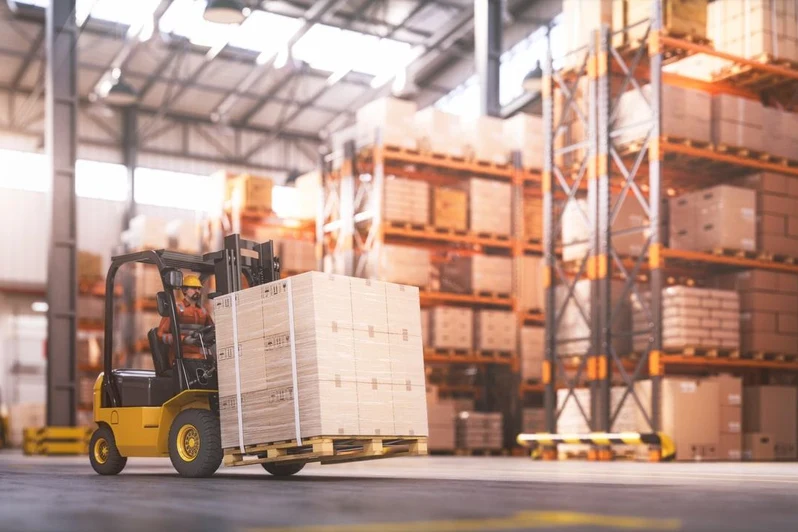
  • Warehousing and distribution

We regularly support imports including:

  • Pharmaceutical products
  • Diamonds and precious stones
  • Chemicals and petrochemicals
  • Food and beverage products
  • Plastics and polymers
  • Steel and metal products
  • Automotive parts and vehicles
Our experienced team ensures your cargo moves efficiently from Iran to the UK while remaining compliant with all customs and import requirements.
Logistics solutions
Export from the UK to Iran
We also help UK businesses export goods to customers, distributors and partners throughout Iran.
Whether shipping to Tehran, Bandar Abbas or other major Iranian cities, our export specialists can arrange a seamless freight solution by air and sea.
Our export services include:

  • Air freight exports
  • Export documentation
  • Cargo insurance
  • Commercial and industrial shipments
  • Sea freight exports
  • Customs compliance
  • Door to door delivery

From single shipments to regular freight movements, we provide scalable logistics solutions designed around your business requirements while respecting applicable sanctions and carrier restrictions.
Logistics solutions
Customs Clearance & Freight Forwarding
Successful international shipping depends on accurate customs documentation and compliance.
Intercargo provides:

  • Import customs clearance
  • Commodity code guidance
  • Duty and tax assistance
  • End to end shipment visibility
  • Export customs clearance
  • Shipping documentation
  • Freight forwarding management

Our experienced freight forwarding team helps minimise delays and keeps your cargo moving smoothly between Iran and the United Kingdom while respecting applicable sanctions and carrier restrictions.
Logistics solutions
Why Choose Intercargo for Iran Freight?
We support importers, exporters, manufacturers, distributors, retailers and e commerce businesses moving cargo between Iran and the UK, with restricted air and sea freight solutions that respect applicable sanctions and carrier restrictions.
Restricted Air Freight Specialists
Uk And Iran Trade Lane Expertise
Import And Export Solutions
Customs Clearance Support
Door To Door Logistics
Dedicated Account Management
Global Carrier Network
Competitive Freight Rates
Get an Iran Freight Quote

Looking for air freight from Iran to the UK, sea freight from Iran to the UK, or export services from the UK to Iran?
Contact Intercargo today for a tailored freight forwarding quotation and expert advice on the most efficient shipping solution for your cargo.
Logistics solutions
Latest News & Updates

Unilode renews ULD partnership with Teleport

Cross-border e-commerce logistics specialist Teleport has renewed its unit load device (ULD) leasing partnership with Unilode Aviation Solutions to support its expanding air logistics network across Southeast Asia. Under the renewed agreement, Unilode said it will continue to provide ULD leasing solutions to help Teleport maintain equipment availability and improve asset visibility, while supporting efficient cargo operations. Through Unilode's digital ULD solutions, including enhanced tracking capabilities and data-driven insights, the partnership aims to unlock greater visibility, improve equipment utilisation and support more informed operational decision-making. Janis Balkens, chief operations officer, Unilode Aviation Solutions, said: "We are delighted to renew our partnership with Teleport and continue supporting its ambitious growth across Southeast Asia. "Teleport has built an impressive logistics network, driven by innovation, connectivity, and a clear focus on operational efficiency. Our role is to support that ambition by ensuring the right equipment is available where and when it is needed. The renewed partnership comes as Teleport continues to expand its integrated air logistics network across Southeast Asia and beyond and is seeking to move goods reliably at speed. Chow Vi Thian, head of safety and standards at Teleport, said: "At Teleport, we move eCommerce and cargo across Southeast Asia's largest air cargo network, which is built on the capacity of more than 55 partner airlines, within Southeast Asia and from the region to the rest of the world. "We built the Teleport Network to be dynamic, especially because eCommerce demand shifts from one day to the next. Our operations must scale up and down without losing speed. We choose operational partners who can match that pace. "Unilode flexes with us, especially at peak, and gives us real-time visibility of every ULD. We turn that visibility into decisions we act on every day, so we keep moving goods faster and better for our customers."

Source: aircargonews.net

Read more

GXO's Investor Day - mind the self-help playbook and the DHL gap

GXO's first investor day in nearly four years set targets of more than 7% organic growth a year, more than 240 basis points of margin expansion and more than 20% annual earnings growth to 2030, built on running its warehouses the same way everywhere rather than on acquisitions. The team presenting it, led by Patrick Kelleher, the former head of DHL Supply Chain in North America, is almost entirely new - the plan replaces long-term targets that were reset ...

Source: theloadstar.com

Read more

Korean Air eyes 20% more belly cargo capacity from Asiana merger

Korean Air expects its available belly cargo capacity to rise 20% when it integrates Asiana Airlines on 17 December, giving it more room to bring freight from across Asia into Incheon to connect with long-haul services. The expansion comes after a third quarter in which Korean Air's standalone cargo revenue rose 34.3% year on year, to ₩1.43tn ($1.05bn), according to its preliminary results. Cargo traffic, measured in cargo tonne-km, increased 5.3% against a 4% increase in capacity, while yields climbed 27.5%. Compared with the second quarter, however, cargo yields fell 10.5%, while traffic rose 3.8%. For the first nine months, cargo revenue was up 28%, to ₩4.06tn. The airline cited steady demand for AI and semiconductor shipments, alongside time-sensitive cargo ranging from solar equipment to fresh eggs. Jaedong Eum, EVP and head of Korean Air's cargo business division, told The Loadstar the airline would unify cargo sales, bookings, and handling worldwide on the day the combined carrier launched. "On 17 December, all domestic and international cargo handling contracts, booking platforms, and sales systems will be completely unified," he said. "Freight will be sold, booked, and handled entirely under the integrated Korean Air banner worldwide." Asiana's short- and medium-haul Asian routes will feed Korean Air's long-haul network through Incheon, with the combined passenger network serving more than 110 destinations. Mr Eum said transhipments from elsewhere in Asia already accounted for a "significant majority" of Korean Air's total cargo volume, although he gave no split for AI-related shipments or a breakdown of the extra belly capacity by route. One addition to the Asian network is Clark, in the Philippines, among 11 international routes served by Asiana alone that will move into the Korean Air network, according to ChosunBiz. It also reported that the combined carrier planned to increase Incheon-New York passenger flights from three to four a day. Asiana's freighter business was sold to Air Incheon, now AirZeta, in August 2025 as a condition of merger approval. Korean Air's own fleet of 23 freighters includes 12 777Fs, seven 747-8Fs and four other 747 freighters. Mr Eum said the airline prioritised its main decks for heavy, outsized, and specialist shipments, such as AI infrastructure, and used passenger bellies for high-frequency ecommerce and express parcels. Where the technology freight comes from "The global expansion of data centres is serving as a primary growth engine for our cargo business," said Mr Eum. "We are seeing sustained, high-volume demand for IT infrastructure components, particularly server racks, semiconductors, and advanced batteries. "The supply chain is highly regionalised: we are moving server hardware originating from China and South-east Asia, semiconductor equipment and advanced batteries from Japan, and high-end semiconductor chips and power supply infrastructure originating right here in Korea." That traffic is concentrated on transpacific routes serving North American tech hubs. The Americas accounted for 38% of Korean Air's Q3 cargo route revenue, up from 35% a year earlier. Mr Eum did not quantify the airline's growth in AI-related tonnage, but pointed to IATA data showing Asia-North America cargo traffic rose 17% year on year in September, its eighth consecutive month of growth, against 7.7% globally. "Entering the traditional November peak season, we are experiencing compounded capacity pressure on the Transpacific, driven by overlapping traditional Q4 consumer goods shipments and robust, year-round AI-related hardware demand," he said. "Consequently, we are maximising our Asia-to-Americas capacity." Europe-bound space was under less pressure, as cross-border ecommerce growth moderated, he added. The airline is seeking more Europe-to-Asia freight to balance loads. On US routes, where Mr Eum described a more pronounced imbalance, Korean Air is adjusting services and focusing on yields. Korean Air said it planned to use extra flights and charters on routes where it expected strong year-end demand. It also identified French wine and South American cherries as seasonal traffic it was targeting, alongside livestock charters and shipments for overseas factory expansions. Pharma helps offset softer ecommerce Changes to trade and customs rules had slowed the growth of parcels originating in China, Mr Eum said. Volumes had since stabilised as shippers adapted their customs clearance procedures. "Any softening in general ecommerce has been comprehensively offset by our strategic pivot toward specialised cargo verticals," he said. "Concurrently, we are seeing strong, sustained growth in pharmaceuticals and cold-chain logistics, fuelled by global biopharma R&D and expanding domestic investments in biosimilar manufacturing facilities." He also pointed to steady growth in exports of Korean beauty products and goods tied to Korean popular culture. Incheon and JFK upgrades At Incheon, Korean Air has replaced its elevating transfer vehicles, introduced automated guided vehicles, and added a second outbound bypass line. Dispatch capacity on the bypass rose from 18 to 30 unit load devices an hour, while overall terminal handling capacity increased 25%, according to Mr Eum. He said truck bottlenecks had eased and cargo handovers were faster, although he gave no before-and-after timings. "Post-renovation, the vast majority of our historical bottleneck issues have been resolved, with pressure now limited only to the most extreme peak acceptance windows," he said. Korean Air is targeting 2027 for completion of a major renovation of its JFK cargo terminal. It has also announced a daily Incheon-Newark passenger service from 22 May, using a 777-300ER. Fifteen new freighters on order Korean Air finalised an order including eight 777-8 freighters in September, and converted seven A350-1000 passenger aircraft orders to A350Fs last year. Mr Eum framed the investment as a way to reduce fuel burn, emissions, and operating costs. "Our maindeck investment strategy is fundamentally driven by fleet modernisation, unit-cost efficiency, and sustainability, rather than sheer capacity," he explained. Korean Air's standalone fuel bill rose 67% year on year in Q3. Mr Eum identified persistently high fuel prices and geopolitical volatility as the biggest risks for 2027, saying the airline was optimising long-haul flight paths and minimising technical stops to contain costs. He sees high-value technology and pharma as the strongest opportunities for next year. "We do not view this as a cyclical peak," he said of AI-related demand. "The integration of AI chips and the subsequent build-out of global data centres represents a structural, long-term capital expenditure cycle by big tech firms, ensuring sustainable freight demand."

Source: theloadstar.com

Read more

Privacy Preference Center

This website uses cookies and similar technologies, (hereafter “technologies”), which enable us, for example, to determine how frequently our internet pages are visited, the number of visitors, to configure our offers for maximum convenience and efficiency and to support our marketing efforts. These technologies incorporate data transfers to third-party providers based in countries without an adequate level of data protection (e. g. United States). For further information, including the processing of data by third-party providers and the possibility of revoking your consent at any time, please see your settings under “Consent Preferences” and our Privacy Notice.


Manage Consent Preferences
Strictly Necessary Cookies
Always Active

Performance Cookies

Functional Cookies

Targeting Cookies