Transpac rates set to stay high, despite slowdown to Golden Week
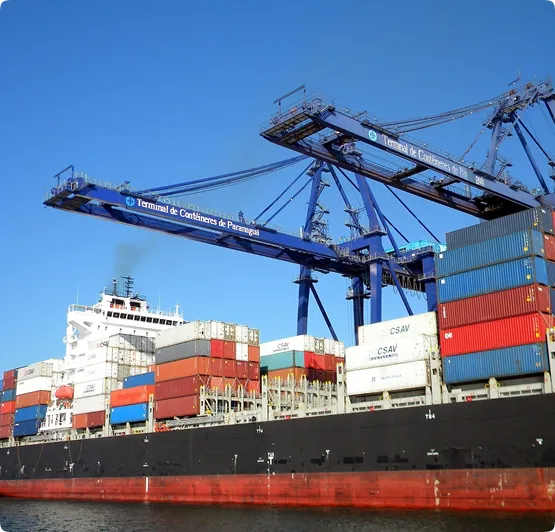
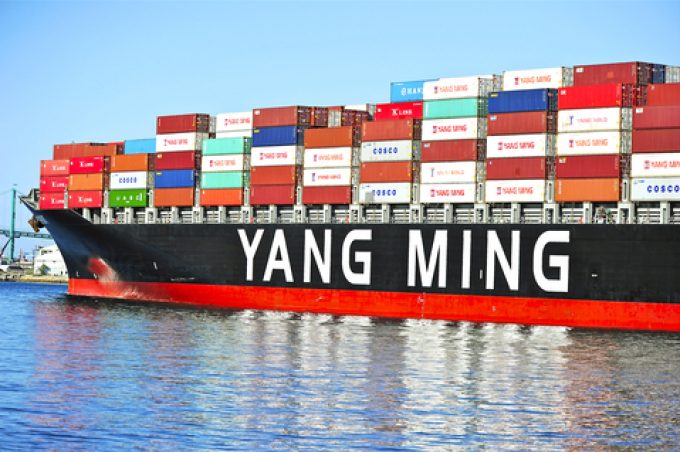
While global container shipping is entering its traditional fourth-quarter off-season, freight rates on the transpacific trade could stay high, according to Yang Ming chiefs.
Yesterday, during an online investor conference, the Taiwanese shipping line executives pointed to a combination of Panama Canal constraints, limited effective capacity, persistent port congestion, and cargo shifts between US gateways as the key factors supporting rates.
Since 26 August, the Panama Canal authority (ACP) has reduced the maximum draught for vessels at the neopanamax locks to 48ft, with a further reduction to 47.5ft due later this year. This limits access to ships of up to 14,000 teu.
Yang Ming's management said: "Our main workhorses are 13,000 teu vessels, which can pass. However, changes in canal water levels remain an important constraint on shipping capacity and continue to influence the economics of routes connecting Asia with the US east coast."
Shipments to the west coast would also benefit from continued strength in the broader transpacific market, they added.
The US routes were unlikely to become completely decoupled, they said, because cargo volumes could shift between different North American gateways.
Investors heard Yang Ming reported revenue of $670m for August, up 4% from July.
Meanwhile, Shanghai-US East Coast rates are now above $10,000 per 40ft, a post-Covid high, while Shanghai-US West Coast rates are around $7,500 per 40ft, with rates for both lanes having surged five-fold since last year.
And Linerlytica said in its report this week that transpacific rates would remain firm into next month, explaining: "Momentum remains strong for October, with sufficient cargo backlog from recent delays to keep demand high during the National Day holidays in China, aided by planned blanked sailings during the Golden Week break."
Yang Ming noted that the trend toward larger vessels and port expansion failing to keep pace with fleet growth would mean port congestion would become a more common occurrence.
It said: "Vessels are growing larger rapidly, but the expansion of major global ports is relatively slow. Some ports even face issues such as insufficient hinterland and depth restrictions, leading to longer loading, unloading, and turnaround times after large vessels enter port.
"Yang Ming believes that if future port expansion cannot keep up with the trend toward larger vessels, port congestion will persist."