Norse Cargo faces an uncertain future
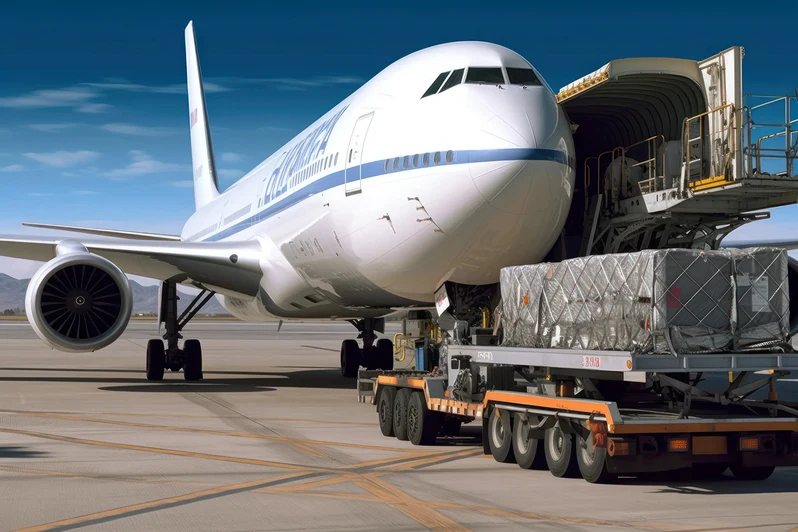
Norse Cargo operations face an uncertain future after Norse Atlantic was issued with lease termination notices for its entire fleet of aircraft.
The airline suspended operations on 26 November because of financial difficulties but received another blow when it received notices from aircraft lessors for the termination of agreements for all 12 aircraft in the Norse fleet.
In response, the airline said that it was contesting the validity of the termination notices for its 12 Boeing 787-9s.
"The Company continues discussions to secure short-term financing," Norse Atlantic added. "There can be no assurance that a viable solution will be found. Further information will be provided as and when appropriate."
The airline's cargo division, Norse Cargo, offers capacity on flights from Athens, Rome Fiumicino, Gatwick, Bangkok, Cape Town, Orlando and New York JFK, according to its summer schedule.
It also offers road feeder services in Europe, Scandinavia, the UK and US. Cargo sales operations include services from GSAs including Kales, SkyXS, Air Logistics, Aviation Plus, HAE and AirCross, according to its website.
The long-haul low-cost carrier filed for bankruptcy on Thursday after warning it was facing a critical financial situation.
The company said it is in discussions with investors regarding a possible takeover that would include a financing solution.
Under the circumstances, the company suspended all flights.
According to sister publication FlightGlobal, the airline emerged in early 2021 shortly after budget carrier Norwegian abandoned its own Boeing 787 long-haul operation as part of an extensive restructuring.
While long-haul travel had been severely affected by the Covid-19 pandemic, Norse embarked on establishing a scheduled low-cost transatlantic operation with a leased 787 fleet, commencing services on the Oslo-New York route in June 2022.
But while it has achieved strong revenue growth and broadened its network beyond transatlantic services, the airline has struggled to overcome losses.
While it turned in positive earnings over a few short periods, it never achieved full-year profitability.
Norse ultimately revamped its business strategy, allocating half its 787 fleet to providing leased capacity for other carriers.
But its initial agreement with Indian airline IndiGo for six aircraft only lasted about 18 months because geopolitical issues undermined IndiGo's original business case.
Although Pakistan International Airlines stepped in to lease two aircraft shortly afterwards, this operation only lasted a couple of weeks before being interrupted by the Norse suspension.
The revamped strategy also had an impact on cargo performance, with cargo volumes falling 53.7% year on year in the second quarter to 3,776 tonnes.
Vincent De Vroey, civil aviation director at aerospace association ASD, said that the financial difficulties faced by Norse Atlantic are "another illustration of the structural weaknesses of the standalone low-cost long-haul business model".
He pointed out that several other airlines had tried to make the business model work but added that the fundamental economics of long-haul aviation are very different from those of short-haul operations.
"Fuel, aircraft ownership, maintenance, crew costs and airport charges leave considerably less scope for the cost advantages that have made short-haul low-cost carriers so successful," he said, adding that premium traffic - business class seating etc - is "essential to sustainable long-haul economics".
He added that high fuel had accelerated the demise of the airline but was not its fundamental cause.