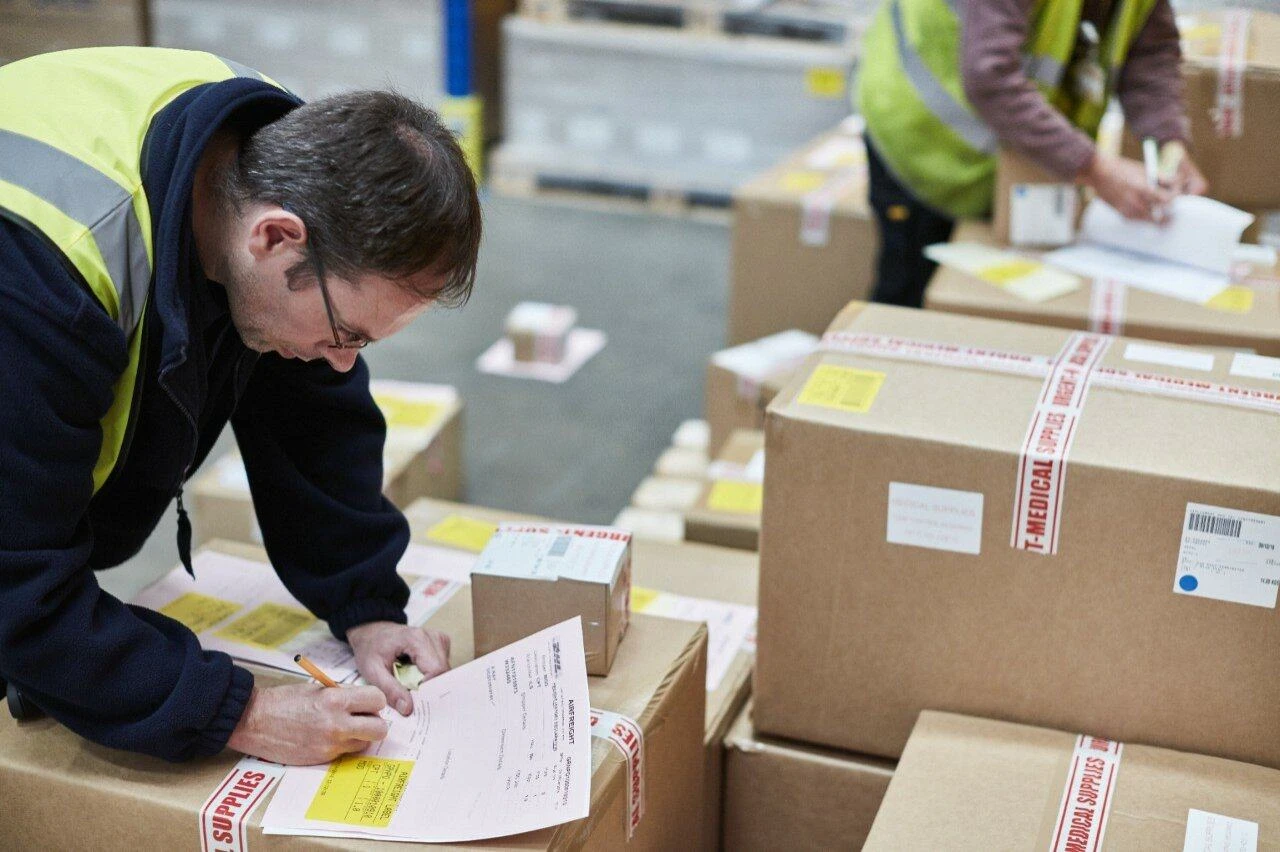
We understand the ever changing needs of our customers

we provide a high level of service dedicated to fulfilling all your shipping requirements

Watch Video
Road Freight

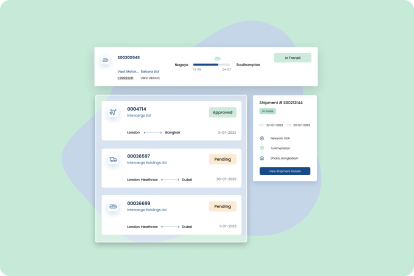
Keep all your data in one place which can be accessed from anywhere and anyplace

Let us help you 24/7 manage your supply chain needs

Back to Global Coverage

Brunei Freight Forwarding Services
Air and Sea Freight Between Brunei and the UK

Intercargo provides reliable freight forwarding services between Brunei and the United Kingdom, helping businesses import and export cargo efficiently by air and sea.

Whether you are importing goods from Brunei into the UK, exporting products from the UK to Brunei, or managing regular international shipments, our experienced freight forwarding team provides complete end to end logistics solutions. From collection and customs clearance to final delivery, we manage every stage of the shipment process.
Air Freight Brunei to UK
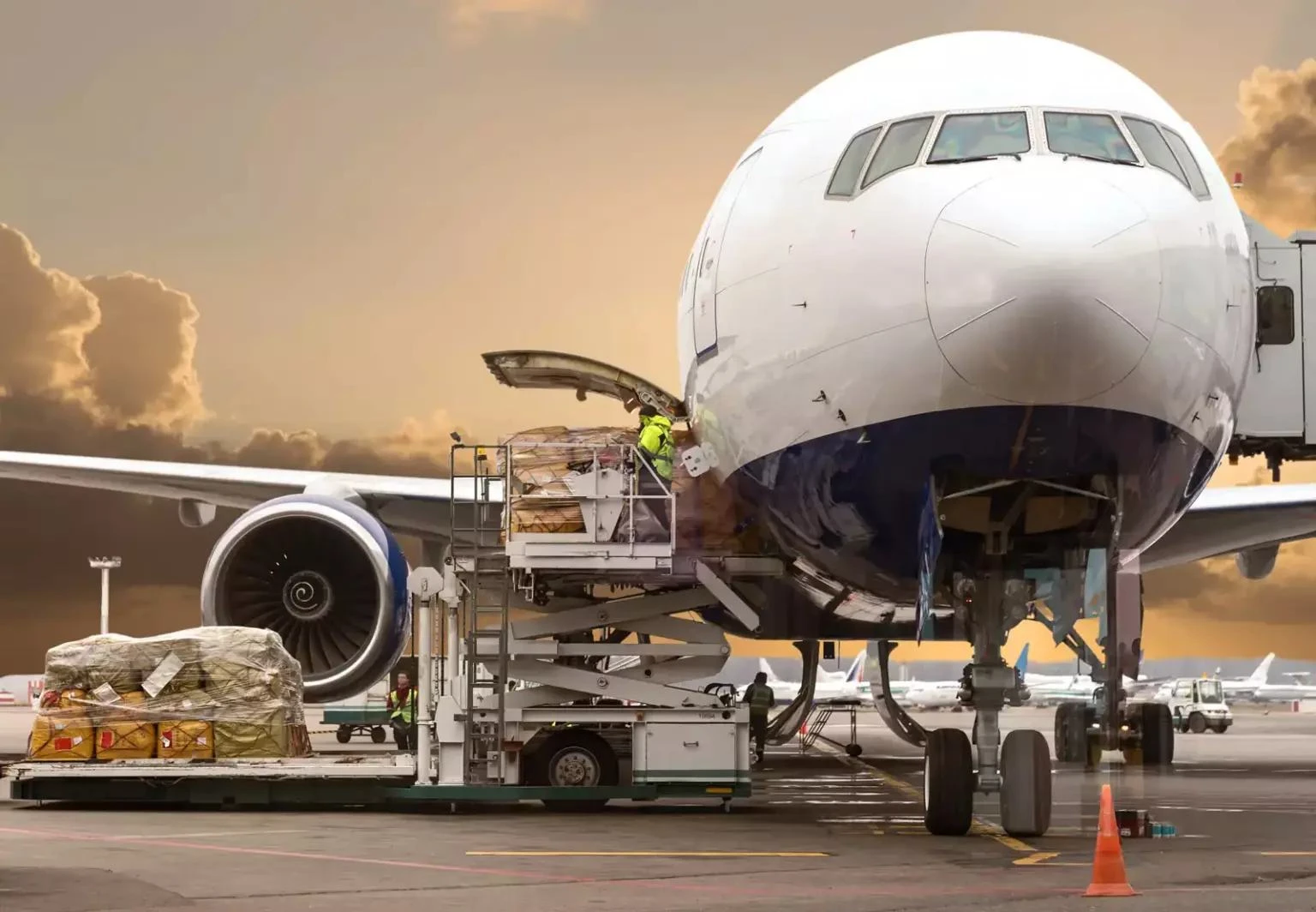
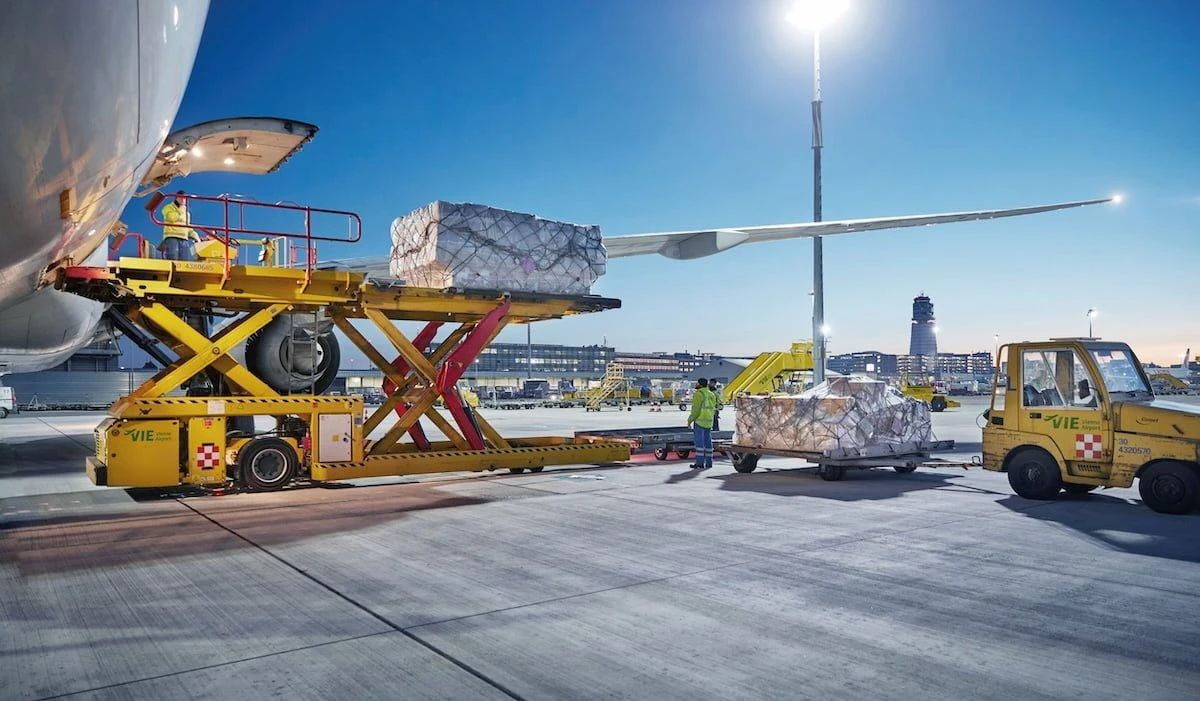
When speed matters, our Brunei air freight services provide fast, secure and reliable transportation between Brunei and the United Kingdom.
We arrange air freight through Brunei International Airport (BWN), with UK arrivals through London Heathrow, London Stansted, Manchester Airport, Birmingham Airport and East Midlands Airport.
Our air freight solutions include:

  • Air freight from Brunei to the UK
  • Express and economy air cargo
  • Door to door delivery
  • Time critical shipments
  • Air freight from the UK to Brunei
  • Airport to airport services
  • Customs clearance support
  • High value and commercial cargo

Whether you need urgent delivery of pharmaceutical products, automotive parts, electronics, retail stock or commercial goods, our air freight specialists can provide the most efficient solution.
Logistics solutions
Sea Freight Brunei to UK
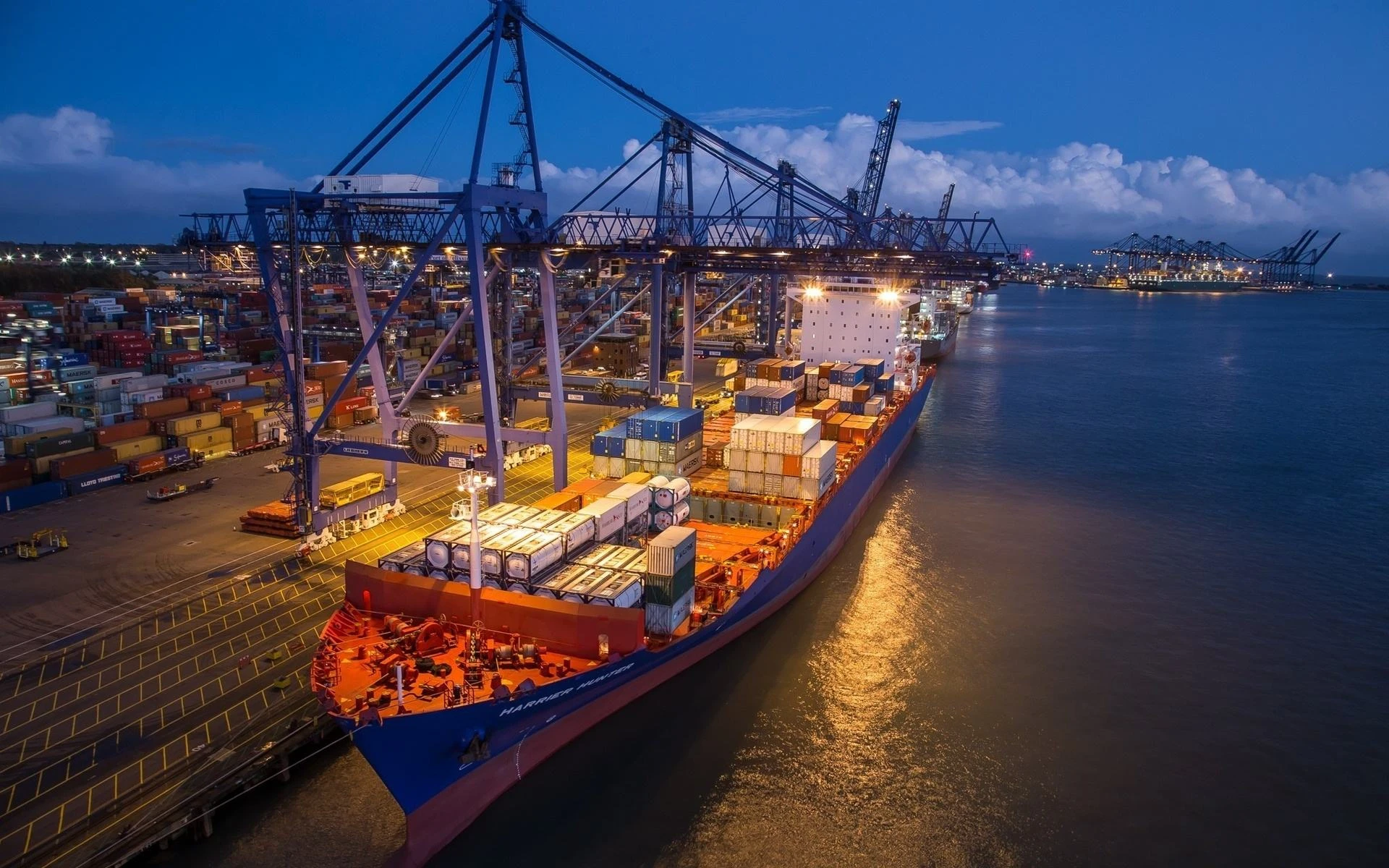
For larger shipments and cost effective transportation, our sea freight services provide dependable shipping solutions between Brunei and the UK.
We regularly arrange cargo movements through Muara Port and major UK ports including Felixstowe, Southampton, London Gateway, Liverpool, Tilbury and Immingham.
Our sea freight services include:

  • Full Container Load (FCL)
  • Port to port shipping
  • Customs documentation
  • Project cargo
  • Less than Container Load (LCL)
  • Door to door logistics
  • Cargo insurance
  • Oversized and heavy lift shipments

Whether shipping chemicals, automotive components, food products, industrial equipment or retail stock, we can tailor a sea freight solution to suit your budget and transit requirements.
Logistics solutions
Import from Brunei to the UK
Intercargo helps UK businesses import products and cargo from Brunei through a fully managed freight forwarding service.
Our import services include:

  • Supplier coordination
  • Air and sea freight transportation
  • Duty and VAT guidance
  • Final delivery throughout the UK
  • Collection from Bruneian factories and premises
  • UK customs clearance
  • Warehousing and distribution

We regularly support imports including:

  • Pharmaceutical products
  • Diamonds and precious stones
  • Food and beverage products
  • Plastics and polymers
  • Steel and metal products
  • Chemicals and automotive parts
Our experienced team ensures your cargo moves efficiently from Brunei to the UK while remaining compliant with all customs and import requirements.
Logistics solutions
Export from the UK to Brunei
We also help UK businesses export goods to customers, distributors and partners throughout Brunei.
Whether shipping to Bandar Seri Begawan, Kuala Belait or other major Bruneian destinations, our export specialists can arrange a seamless freight solution by air and sea.
Our export services include:

  • Air freight exports
  • Export documentation
  • Cargo insurance
  • Commercial and industrial shipments
  • Sea freight exports
  • Customs compliance
  • Door to door delivery

From single shipments to regular freight movements, we provide scalable logistics solutions designed around your business requirements.
Logistics solutions
Customs Clearance & Freight Forwarding
Successful international shipping depends on accurate customs documentation and compliance.
Intercargo provides:

  • Import customs clearance
  • Commodity code guidance
  • Duty and tax assistance
  • End to end shipment visibility
  • Export customs clearance
  • Shipping documentation
  • Freight forwarding management

Our experienced freight forwarding team helps minimise delays and keeps your cargo moving smoothly between Brunei and the United Kingdom.
Logistics solutions
Why Choose Intercargo for Brunei Freight?
We support importers, exporters, manufacturers, distributors, retailers and e commerce businesses moving cargo between Brunei and the UK.
Air And Sea Freight Specialists
Uk And Brunei Trade Lane Expertise
Import And Export Solutions
Customs Clearance Support
Door To Door Logistics
Dedicated Account Management
Global Carrier Network
Competitive Freight Rates
Get a Brunei Freight Quote

Looking for air freight from Brunei to the UK, sea freight from Brunei to the UK, or export services from the UK to Brunei?
Contact Intercargo today for a tailored freight forwarding quotation and expert advice on the most efficient shipping solution for your cargo.
Logistics solutions
Latest News & Updates

Expeditors sees air cargo volumes and revenues rise in Q3

Expeditors International has reported a continued surge in air cargo volumes and revenues as a result of hyperscaler demand and rising freight rates. The US forwarder said that air cargo volumes were up 13% year on year in the third quarter of the year, with an 8% improvement in July, a 13% increase in August and 19% increase in September. Meanwhile, air revenues were also on the rise, increasing by 51.4% year on year during the quarter to $1.5bn. Revenues were boosted by higher volumes and also higher airfreight rates, the company said. Expeditors said that airfreight demand remained strong during the quarter, driven primarily by continued growth in South Asia, where export tonnage increased most notably. "Hyperscaler demand, which also includes shipments from Tier 1 and Tier 2 suppliers supporting AI infrastructure, was a significant driver of volume growth, while air capacity remains constrained by limited fleet expansion and ongoing new aircraft delivery delays," the company added. "Capacity was also impacted by aircraft redeployments that affected Asia-Europe e-commerce, stemming from European Union regulations meant to curb the flow of de minimis imports. "At the same time, China-US e-commerce tonnage has nearly recovered to what it was prior to the US termination of de minimis shipments in May 2025. Adding geopolitical events to this mix, airfreight rates remained elevated during the quarter, with demand outpacing available capacity." While airfreight revenues and volumes were up, the company also noted an increase in air operating costs, which grew by 52% to $1.2bn. Air Cargo News calculations show that the company's airfreight operating margin has actually declined marginally from 24.8% in the third quarter of last year to 24.3% this year. Airfreight service operating profits (airfreight service revenues minus operating expenses) reached $375m against $253m last year. The higher operating costs likely stem from higher carrier rates as demand growth has outstripped capacity additions and fuel prices have grown significantly as a result of the conflict in the Middle East. The latest IATA/Platts fuel price monitor figures show that jet fuel costs are up by more than 112% compared with last year.

Source: aircargonews.net

Read more

Freighter capacity divides air cargo fortunes as rates climb

Access - or not - to freighter capacity is helping shape air cargo's fortunes. IAG Cargo, which shed its freighter operations more than a decade ago, lost traffic following cancelled services, while asset-heavy DHL reported double-digit volume growth. But rising rates do not necessarily signal a late peak-season surge, according to new analysis from Xeneta. Global demand increased 6% year on year in October, while capacity remained flat, Xeneta reported today. Its dynamic load factor, of both cargo weight and volume, rose two percentage points, to 63%. Nevertheless, chief airfreight officer Niall van de Wouw said there were few signs of a sudden increase in capacity pressure or charter prices that would indicate an acceleration in demand. "The market is continuing its steady pace of growth, as we've been reporting since March. It's strong, but it's not a 'peak' season, and time is quickly running out for volumes to shift higher," he said. Strong demand for AI infrastructure is tightening availability on selected routes, while higher fuel costs are pushing up rates even where volumes have weakened. IAG's results today illustrate the consequences of losing lift. Third-quarter cargo revenue increased 3.9% year on year, to €294m ($328m), but traffic, measured in cargo tonne km, fell 13.9%, to 1,101m. Revenue per CTK rose 20.7%, more than compensating for the traffic decline. For the first nine months, cargo revenue declined 5.3%, to €864m, with traffic down 12.8% and revenue per CTK up 8.7%. "Cargo capacity continued to be impacted by disruption in the Middle East and the cancellation of third-party long-haul freighter capacity, which reduced volumes, particularly from Asia Pacific," the group said. Interestingly, IAG Cargo has not issued its own results release. But parent IAG said operating cost savings, fuel-related price increases, and a continued focus on premium and higher-yielding traffic partly offset the impact. Third-quarter performance strengthened through higher yields across India and Asia-Pacific, supported by resilient demand for premium and specialist products. The group also said it continued to grow its recently launched global cargo joint business with Qatar Airways Cargo and MASkargo. However, its report did not identify the cancelled freighter services or quantify any replacement capacity provided through the partnership. DHL Global Forwarding, meanwhile, moved 497,000 tonnes of airfreight in Q3, up 12%, or 53,000 tonnes, year on year. The company said growth was particularly strong on Asia-origin tradelanes. Its Express division provided a more explicit illustration of the value of controlling aircraft capacity. DHL said temporary constraints in the international airfreight market generated additional demand, served through its own global network, contributing approximately €100m to quarterly earnings. Express operating profit rose 50% to €1.04bn. Global Forwarding also increased earnings, although the group has not established how much the forwarding volume growth reflected an advantage in securing capacity. At Emirates, cargo revenue rose sharply even as tonnage edged lower. SkyCargo carried approximately 1.2m tonnes in the six months to September, down 1% year on year, while cargo revenue increased 52%. Emirates attributed the increase to regional conflict reducing available airfreight capacity, while disruption to shipping encouraged customers to seek air transport. During the period, it added five new 777 freighters and deployed its first passenger-to-freighter converted aircraft, alongside expanding its freighter network and frequencies. The pricing pressure is evident in the latest Baltic Exchange figures. The Baltic Air Freight Index averaged 2,651.25 in October, up 8.2% from September and 25.9% year on year, according to commentary from Cargo Facts Consulting, published today. October's average rate for Hong Kong-Europe increased 11.1% from September, while Shanghai-North America's BAI82 rose 7.1%. TAC's accompanying analysis showed Hong Kong spot rates to the US east coast climbing from HK$51.84 per kg on 30 September to HK$63.02 on 30 October. Rates to Europe rose from HK$35.42 to HK$40.84 over the same period. Xeneta's separate dataset put October's global average spot rate at $3.11 per kg, up 4% month on month and 29% year on year. Europe-North America recorded the largest monthly increase among its 10 selected corridors, rising 10% to $2.31 per kg as airlines moved to winter schedules. But fuel costs complicate any assumption that higher freight rates translate directly into stronger airline margins. TAC cited IATA figures showing jet fuel prices 112.8% higher year on year on 30 October, alongside strong demand for semiconductors and other AI-related equipment. Capacity is responding, although the picture varies by corridor and month. Cargo Facts Consulting reported a 5.2% month-on-month recovery in Asia-Europe freighter capacity in September, following three consecutive months of decline. Asia-North America capacity increased 2.3%, its third successive monthly rise. For October, however, Xeneta reported another decline in direct Asia-Europe freighter capacity, adding to the loss of capacity on routings via the Middle East. The transpacific market followed a different path. Data shows Asia Pacific-North America chargeable weight around 15% higher year on year last month with freighter capacity growing on a similar trajectory. In its November market update, CH Robinson said technology shipments were tightening selected Asia-origin services, as oversized and heavy shipments are dependent on freighters. It warned that airlines could redirect freighters towards stronger transpacific demand, reducing choices elsewhere. However, capacity remained available across most major Asia-Europe services, where the seasonal peak had developed more slowly than anticipated. Today also brought a move towards closer cooperation between European and Japanese carriers: Lufthansa Cargo and ANA announcing plans to explore reviving their Japan-Europe cargo joint venture, expanded to include Swiss WorldCargo and Nippon Cargo Airlines. The original venture began in 2014, but was suspended in September 2023 following restructuring within ANA Holdings' cargo business. A new memorandum of understanding provides a framework for the four carriers to assess cooperation, including additional routing and capacity options. "We are pleased to renew our dialogue and broaden our cargo joint-venture to include Swiss WorldCargo and Nippon Cargo Airlines," said Kenichi Wakiya, ANA's EVP for cargo marketing and services and CEO of ANA Cargo. The proposed arrangement would combine the carriers' European and Japanese networks, including NCA's dedicated freighter operations. No launch date or commitment to additional flights was announced. Looking further ahead, Xeneta expects rates to decline overall in 2027, and anticipates some Asia-Europe cargo switching back to ocean once shipping schedule reliability shows a sustained recovery, most likely from the second quarter. "In the past couple of years, it has not been the level of demand that caused the uptick in rates, it has been the availability of capacity. If the Middle East situation recovers, there will be a rebalancing of demand and supply, and rates will then become lower," said Mr van de Wouw. But uncertainty continues to complicate longer contracts, he added. "Forwarders can, of course, offer shippers 12-month deals but, given the market conditions, they would have to bake-in so much uncertainty the price becomes uncompetitive."

Source: theloadstar.com

Read more

Ecommerce growth leaves Latin America's air cargo imbalance unresolved

Growing ecommerce imports are reshaping Latin America's air cargo networks, but have yet to resolve the region's directional imbalance, with LATAM Cargo reporting that declining industrial shipments are offsetting some of the gains. Speaking to The Loadstar at TIACA's Air Cargo Forum in Miami last week, LATAM Cargo group CEO Andrés Bianchi said stronger online retail volumes did not tell the whole story of southbound demand. "First of all, it's important to note that ecommerce volumes have increased, but other commodities have decreased," he said. "That means still you face the imbalance, because the export sector is doing quite well." Auto parts and mining equipment were among the industrial goods affected, he explained. While a broader cargo mix offered diversification, greater reliance on ecommerce also introduced different risks. "They are much more exposed to regulatory cycles than other commodities. So you have to start thinking differently in terms of the risks you have to manage when you design your operation." For Avianca Cargo, ecommerce has become a major driver of southbound business, particularly from Miami to Colombia. "We also move mining cargo, auto parts, and pharmaceuticals, but the biggest share and the biggest growth is ecommerce, for sure," CEO Diogo Elias told The Loadstar. The carrier also moves ecommerce into Brazil, Chile, Ecuador, and Central America, while resumed freighter operations from Miami to Venezuela carry online retail shipments too. But matching Latin American exports with inbound demand requires balancing a network, rather than simply filling the return leg of individual routes. Mr Elias explained that around 90% of Avianca's South American cargo into Miami came from five principal origins. From Miami, however, the carrier served more than 30 destinations, distributing ecommerce alongside automotive parts, semiconductors, mobile phones, and other tech products. Strong export flows also mask pressure on shippers' costs. Speaking on a separate panel, Mr Bianchi said currency appreciation and minimum wage increases had, together, raised Colombian exporters' labour costs by 40% to 45% in dollar terms over the past year. "When you try to talk to them about higher prices when they are already facing a cost crunch, your approach has to be different, and you have to be a lot more creative," he said. Nor does all the region's Chinese ecommerce arrive through the US. Avianca also carries shipments through Madrid, using its passenger network to connect Europe with South America. "Our main hub in Europe is Madrid," Mr Elias said, explaining that it was the principal European gateway for the Chinese ecommerce carried by the airline. The ability of online platforms to develop alternative markets has also changed freighter deployment, according to Atlas Air executive Martin Drew. Following the removal of US de minimis treatment for Chinese shipments last year, platforms redirected volumes towards other destinations. "They ramped up existing markets, or seemingly created new markets, overnight," he told The Loadstar. "A good example was Lima in Peru. One of the biggest platforms said they now needed capacity into Lima. Today, we're still operating three flights a week from China into Lima, and that was a market they just switched over." However, that redeployment created another challenge when US demand recovered. Aircraft committed to serving Latin America were no longer readily available to accommodate the additional US business. "We had redirected so much capacity to Latin America that when we were asked for more capacity back into the US, there wasn't sufficient capacity," Mr Drew said. The changing routes also reinforce Miami's role as a connecting gateway. In his conference presentation, Rotate's Ryan Keyrouse highlighted transhipments and indirect capacity serving Asia-Latin America demand, while warning that an apparent global balance between supply and demand would not necessarily be reflected on individual tradelanes. For regional carriers, the task is, therefore, to respond to new demand without assuming today's cargo mix will remain unchanged. Mr Bianchi pointed to the growing importance of pharmaceuticals alongside ecommerce, but noted that even high-paying commodities had distinct vulnerabilities: pharmaceutical flows, for example, could fall when patents expired and local generic production developed. Rather than betting on a single growth sector, LATAM's approach was to retain the ability to adapt, he said. "More than understanding and trying to bet on the next big commodity, what we're trying to do is prepare ourselves to be able to react quickly in a cost-effective fashion in order to respond very well to our customers' needs."

Source: theloadstar.com

Read more

Privacy Preference Center

This website uses cookies and similar technologies, (hereafter “technologies”), which enable us, for example, to determine how frequently our internet pages are visited, the number of visitors, to configure our offers for maximum convenience and efficiency and to support our marketing efforts. These technologies incorporate data transfers to third-party providers based in countries without an adequate level of data protection (e. g. United States). For further information, including the processing of data by third-party providers and the possibility of revoking your consent at any time, please see your settings under “Consent Preferences” and our Privacy Notice.


Manage Consent Preferences
Strictly Necessary Cookies
Always Active

Performance Cookies

Functional Cookies

Targeting Cookies