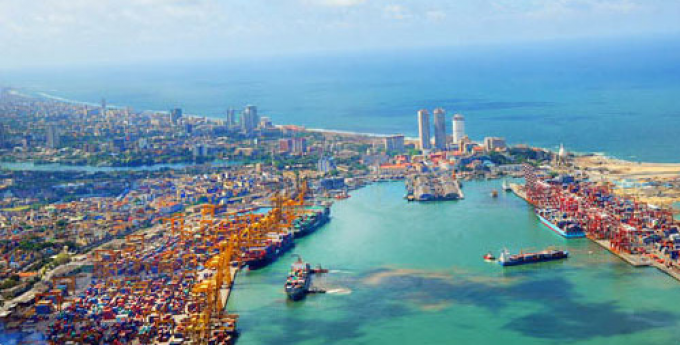
Empties handling dispute at Mundra heats up as the boxes pile up
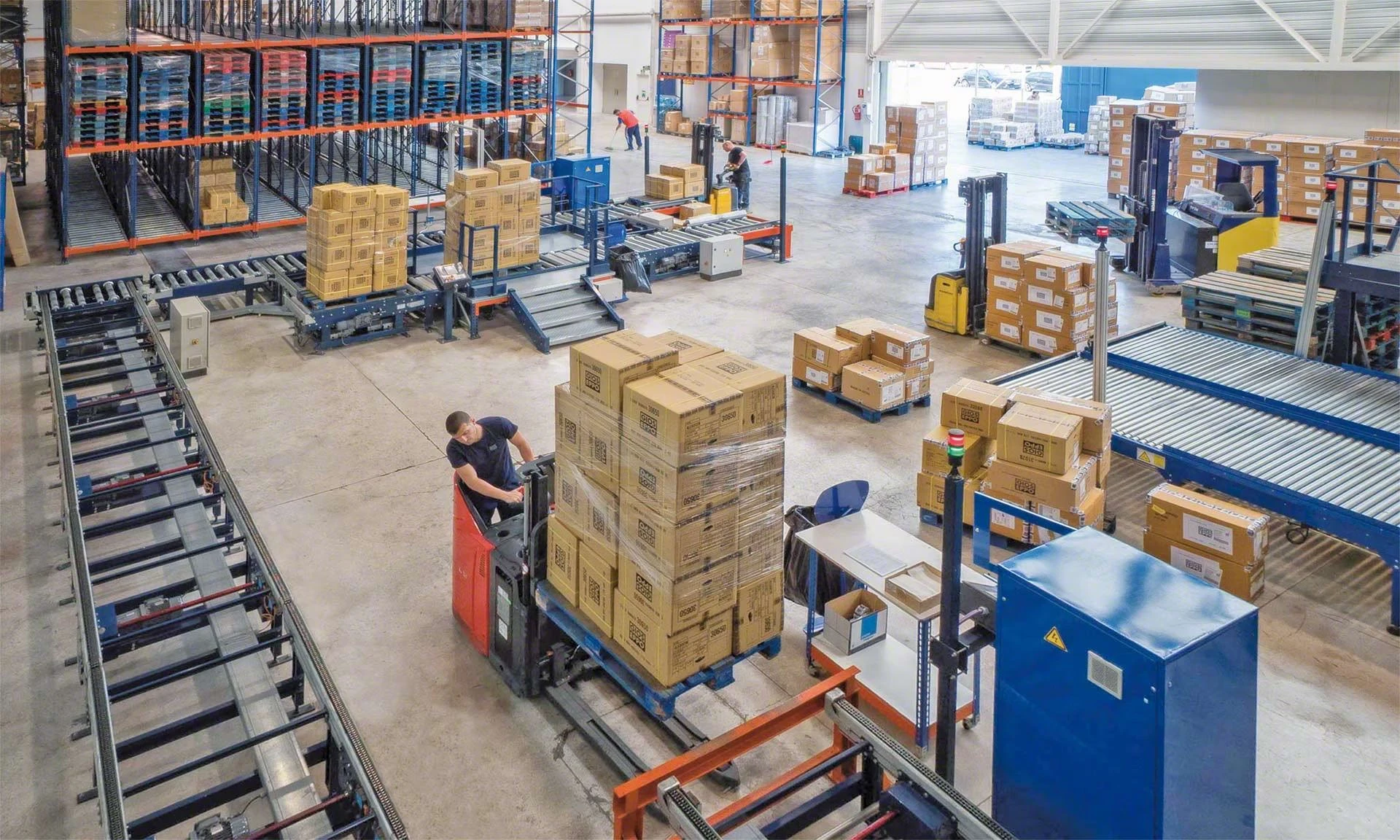
The confrontation between Adani Ports (APSEZ) and landside logistics service providers at India's Mundra Port over empty container operations is beginning to trickle down to the cargo owners and freight forwarders. According to local industry sources, there are no signs of a breakthrough in the week-long stalemate, with both sides remaining intransigent. The angst followed APSEZ slamming the brakes on carriers using the option of nominating yards of their choice outside the port for equipment storage, prompting depot owners and truckers to push back strongly against the revised policy. "Freight movement by road is at a standstill," one industry sources in Mundra told The Loadstar. "There is already a large pile-up of empties across Mundra terminals." The disruption is expected to worsen, with the multiple trade groups representing empty depot owners and container trailers today issuing another directive to their members to halt all operations. "Vehicles, vehicle owners, and parties that provide work to such vehicles/owners despite these instructions will be blacklisted by the association," warned the notice. The hardened stand comes after Adani on Friday tightened the screws around empty container yards operating outside Mundra by announcing a new dedicated empty container yard within the port area, "developed to serve as the designated empty container yard for all customers transitioning their empty container operations in line with our earlier communication", the port told stakeholders. Container pick-ups and drop-offs would be charged at the equivalent of $53 for 20ft equipment and $95 for 40ft boxes, with a 30-day free storage window, said APSEZ. Container lines serving Mundra haven't yet heeded Adani's empty yard offer, as some of the bigger carriers have significant inland investment interests across Indian ports as part of their diversification efforts. All major lines have advised customers to reassess their shipment plans via Mundra because of the disruption. Singapore-based liner ONE told customers: "We are closely monitoring the situation and engaging with the relevant stakeholders to minimise the impact on customers." Indian exporters sending goods on the major trades to the US and Europe have been grappling with the double-whammy of severe vessel capacity shortages and soaring freight rates for the past couple of months. The disruption at Mundra is making that ordeal even more painful for shippers, industry sources say, "causing serious concerns among our exporting members, particularly regarding availability and timely positioning of empty containers and consequent movement of export cargo" said the Federation of Indian Export Organisations. And Supal Shah, CEO of Sarjak Container Lines, said: "The exporter needs the box at the factory when it is required, and the laden container needs to reach the terminal before the vessel is cut off."
Source: theloadstar.com
Read more
AI boom drives two-speed Asian air cargo export market ahead of peak
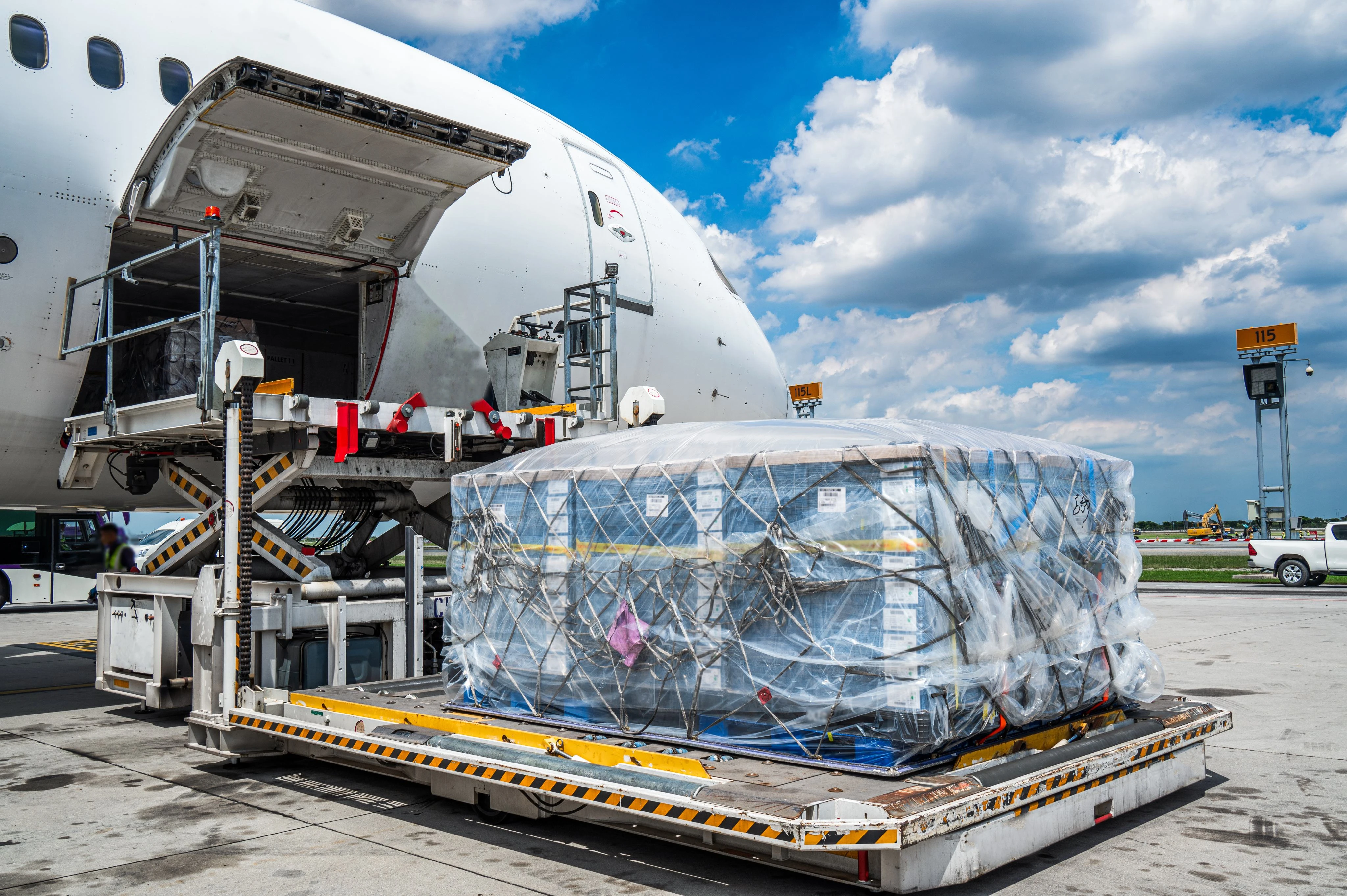
Asia's air cargo export market is heading into peak season at two markedly different speeds: booming demand for AI-related hardware is supporting the transpacific; while Europe continues to feel the impact of new rules on low-value ecommerce imports. The scale of the technology boom underpinning the US market is becoming increasingly apparent in Taiwan, where export orders hit a monthly record of $97.94bn in July, surging 61.9% year on year. Orders from the US jumped 88.9%, to $40.79bn, the largest monthly increase on record, while orders for information and communications technology products rose 89.5%. Taiwan's Ministry of Economic Affairs said server orders had been stronger than expected, alongside strong demand for cooling products used by the AI supply chain. Actual exports are following a similar trajectory. Taiwan's July exports rose 32.9%, to $75.3bn, with electronic components up 50.5% and integrated circuits up 52.3%. The AI boom is translating directly into airfreight demand. SATS chief executive Kerry Mok told the UK's Financial Times that the handler was seeing server racks, storage systems, and GPUs being moved by air in a bid to meet time-critical data-centre construction schedules. Growth in demand from the US has led to something of a striking divergence between the transpacific and Asia-Europe markets. Combined China and Hong Kong air cargo volumes to the US were up 13% year on year in August, according to WorldACD, while volumes to Europe fell 14%. Hong Kong-Europe was particularly badly hit, with tonnage down 30% year on year and 24% below its June level, before the EU ended its €150 de minimis duty exemption and introduced a €3 charge on low-value imports on 1 July. The split is also apparent in pricing. WorldACD said average China/Hong Kong-Europe spot rates fell from around $5.22 per kg in May and June, to $4.34 in August, a decline of around 17%. Their year-on-year premium narrowed from 32% in May and 30% in June, to just 11% in August. China/Hong Kong-US spot rates also declined from their earlier highs, from $6.59 per kg in June to $5.89 in August, a drop of around 11%, but remained 26% above their level a year earlier. The latest Freightos Air Index suggests both markets firmed last week, with China-North America rates rising 5%, to $6.30 per kg, and China-North Europe up 6%, to $4.88. Meanwhile, WorldACD said Hong Kong-Europe volumes rose 3% week on week in week 35 and were 6% above what now appears to have been a low in week 33, indicating a firmer EU market. TAC Index has also reported signs that Asia-Europe rates began to stabilise in mid-to-late August, following declines through much of July and early August. Meanwhile, another cost pressure is building out of Asia: fuel. Cathay Pacific's long-haul cargo fuel surcharge from Hong Kong fell to HK$6.70 per kg in the second half of July before climbing to HK$10.10 in the first half of August and HK$10.60 in the second half. It has risen again, to HK$11.20, for the first half of September. The increase comes as jet fuel prices have climbed sharply. TAC Index said average jet fuel prices rose 8.2% during August and were 74.2% higher year on year by 28 August. Meanwhile, airlines seem to be shoring-up capacity. Indian cargo operator Afcom Holdings is eyeing international expansion with a letter of intent for up to four 777-8Fs, a major step-up for a carrier currently operating 737-800 freighters. Ethiopian Airlines is also reportedly finalising an order for as many as ten 777 freighters, comprising two current-generation -200Fs and eight -8Fs. The carrier already operates 12 -200Fs and has agreed to lease two converted -300ERSFs from AerCap for delivery in 2028. More immediate capacity is also beginning to return to the market, with MD-11Fs gradually coming back into service at FedEx and Western Global Airlines, while the first Mammoth Freighters 777-200LRMF conversion has been delivered, set to be operated by DHL.
Source: theloadstar.com
Read more
OceanX: From Guangzhou to Singapore; rising carrier margins; remembering Hanjin
Just back in Switzerland after what can only be described as some intense last few days of a long Asia trip to Singapore. It was quite an interesting journey to get there from Guangzhou - one that really makes you feel the vastness of the Pearl River Delta or the Greater Bay Area. After some nice dim sum with our local member, I got my luggage, and made my way into the Guangzhou East station, one of the early points in ...
Source: theloadstar.com
Read more
This website uses cookies and similar technologies, (hereafter “technologies”), which enable us, for example, to determine how frequently our internet pages are visited, the number of visitors, to configure our offers for maximum convenience and efficiency and to support our marketing efforts. These technologies incorporate data transfers to third-party providers based in countries without an adequate level of data protection (e. g. United States). For further information, including the processing of data by third-party providers and the possibility of revoking your consent at any time, please see your settings under “Consent Preferences” and our