We understand the ever changing needs of our customers

we provide a high level of service dedicated to fulfilling all your shipping requirements

Watch Video
Road Freight

Keep all your data in one place which can be accessed from anywhere and anyplace

Let us help you 24/7 manage your supply chain needs

Back to Global Coverage

Armenia Freight Forwarding Services
Air & Road Freight Between Armenia and the UK

Intercargo provides reliable freight forwarding services between Armenia and the United Kingdom, helping businesses import and export cargo efficiently by air and limited road freight options.

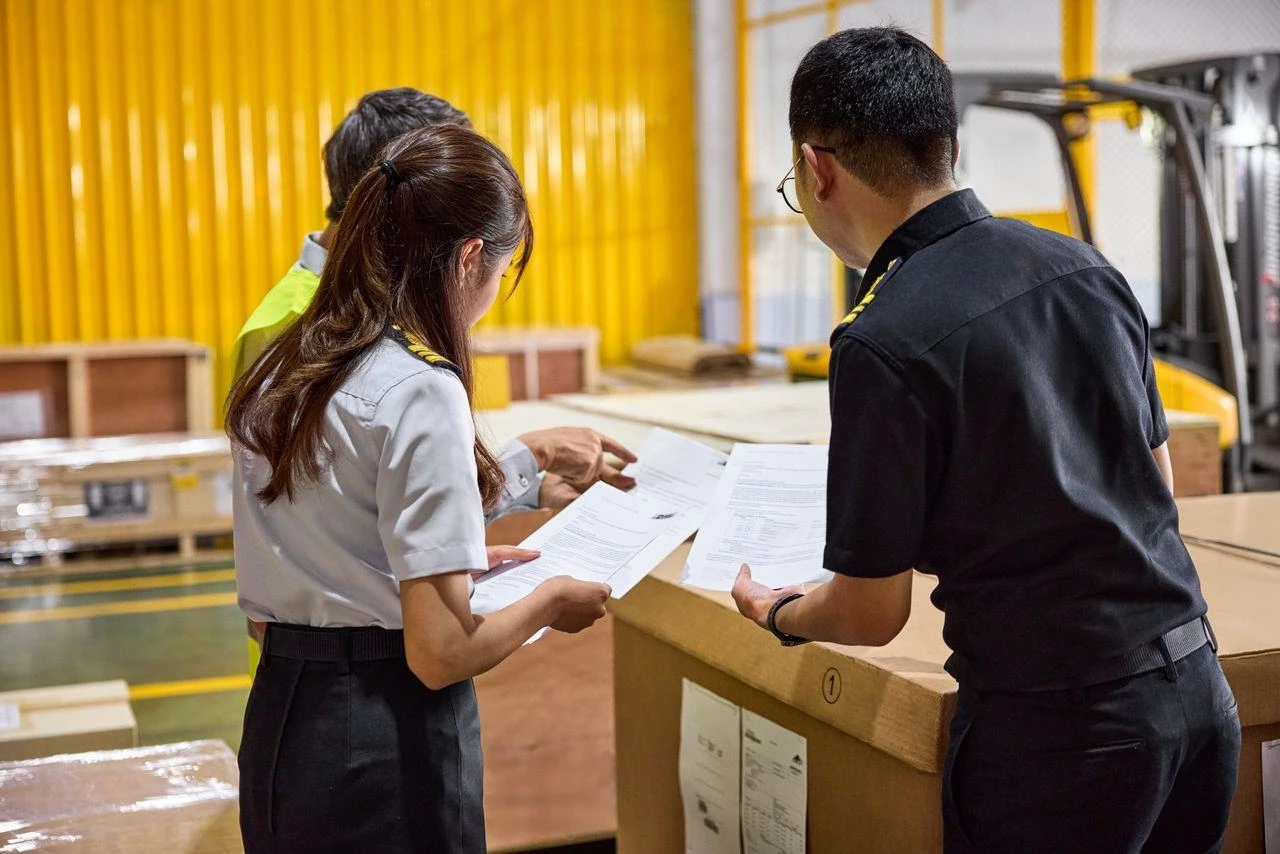
Whether you are importing goods from Armenia into the UK, exporting products from the UK to Armenia, or managing regular international shipments, our experienced freight forwarding team provides complete end to end logistics solutions. From collection and customs clearance to final delivery, we manage every stage of the shipment process.
Air Freight Armenia to UK
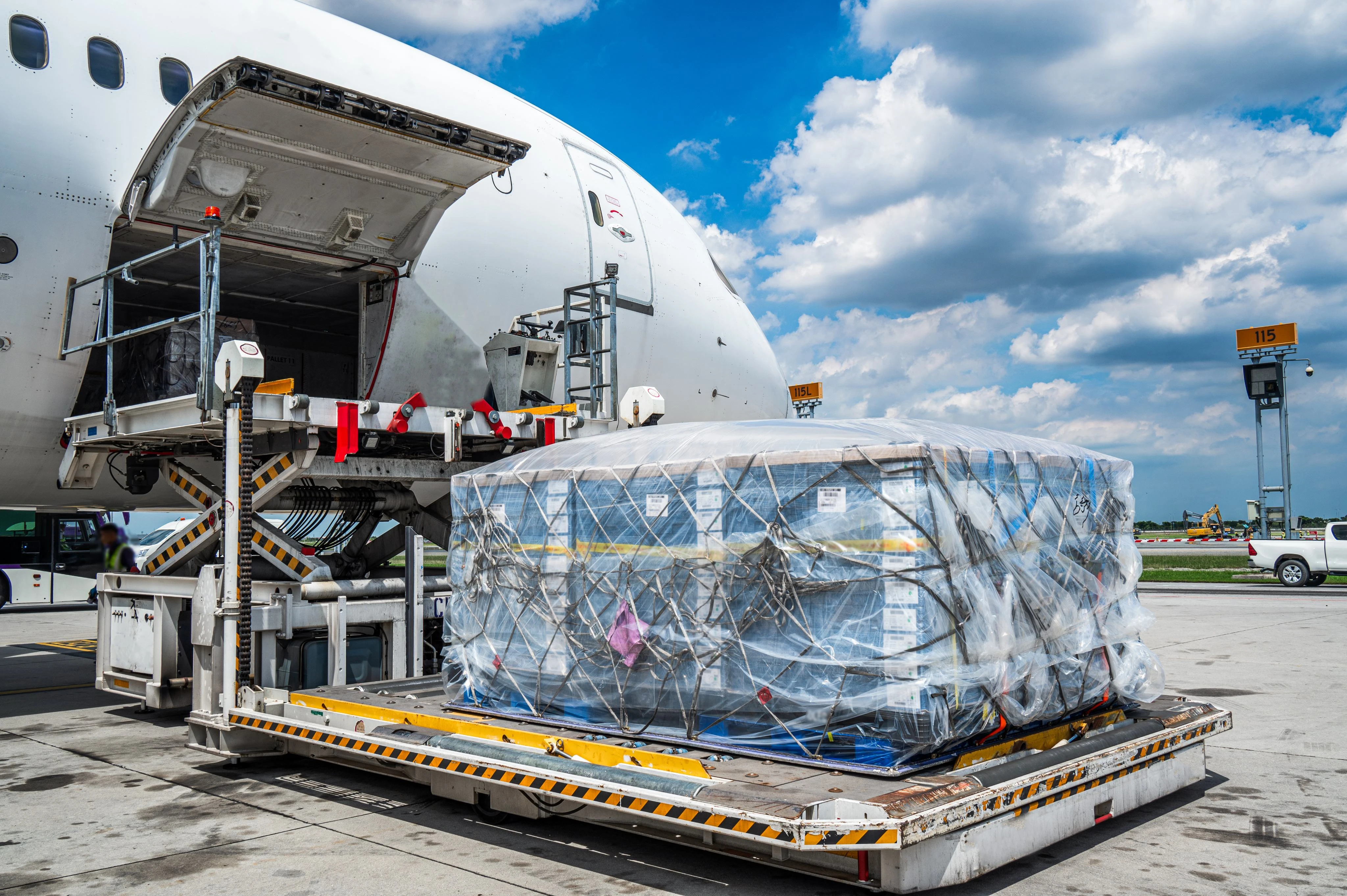
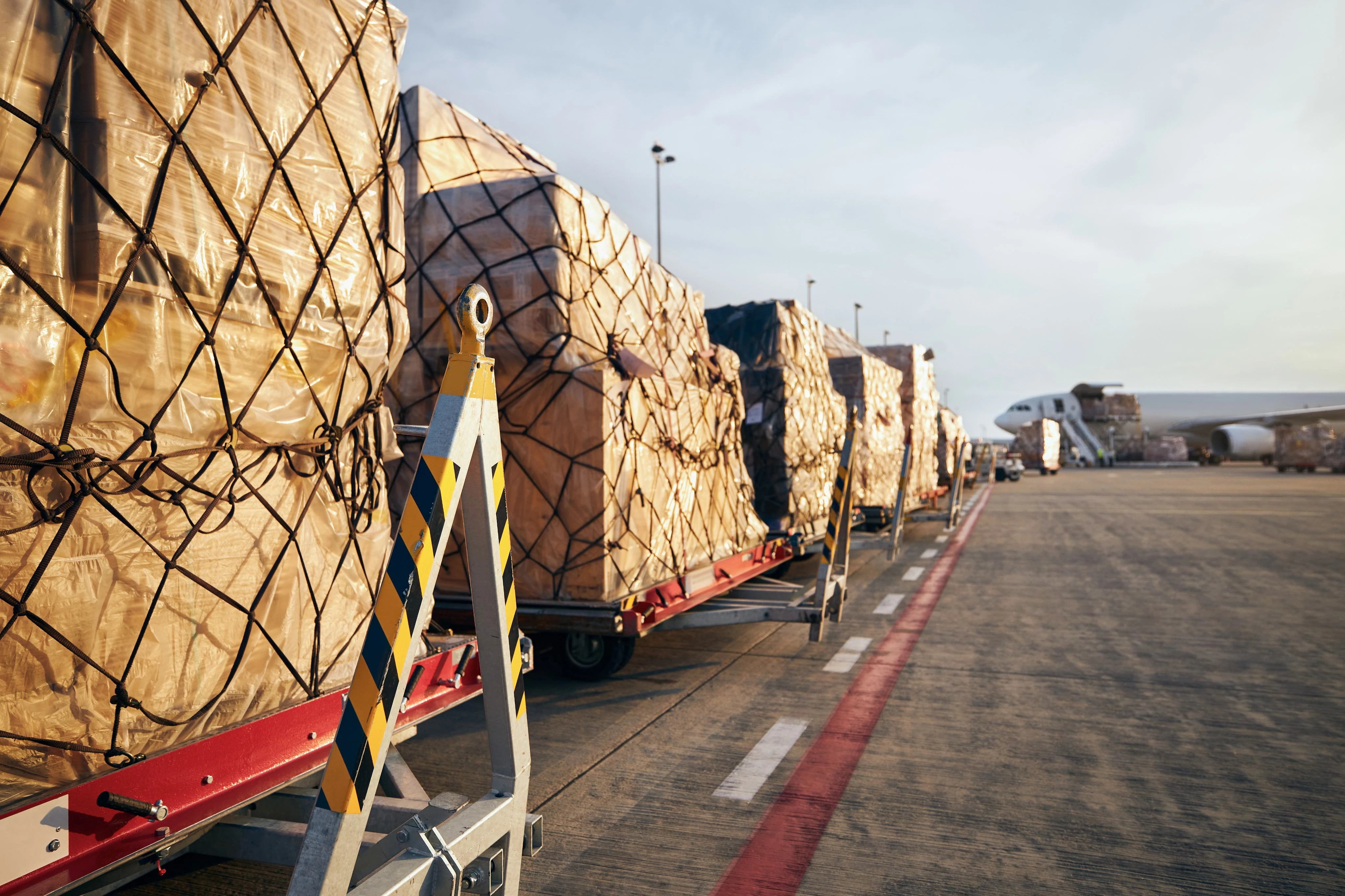
When speed matters, our Armenia air freight services provide fast, secure and reliable transportation between Armenia and the United Kingdom.
As Armenia has limited direct connectivity, we arrange air freight via regional hubs, with road transfer to and from Armenia. UK arrivals are handled through London Heathrow, London Stansted, Manchester Airport, Birmingham Airport and East Midlands Airport.
Our air freight solutions include:

  • Air freight from Armenia to the UK
  • Express and economy air cargo
  • Door to door delivery
  • Time critical shipments
  • Air freight from the UK to Armenia
  • Airport to door services via road transfer
  • Customs clearance support
  • High value and commercial cargo

Whether you need urgent delivery of retail goods, luxury products, art, pharmaceutical supplies or commercial goods, our air freight specialists can provide the most efficient solution with seamless road connections into Armenia.
Logistics solutions
Road Freight Armenia to UK
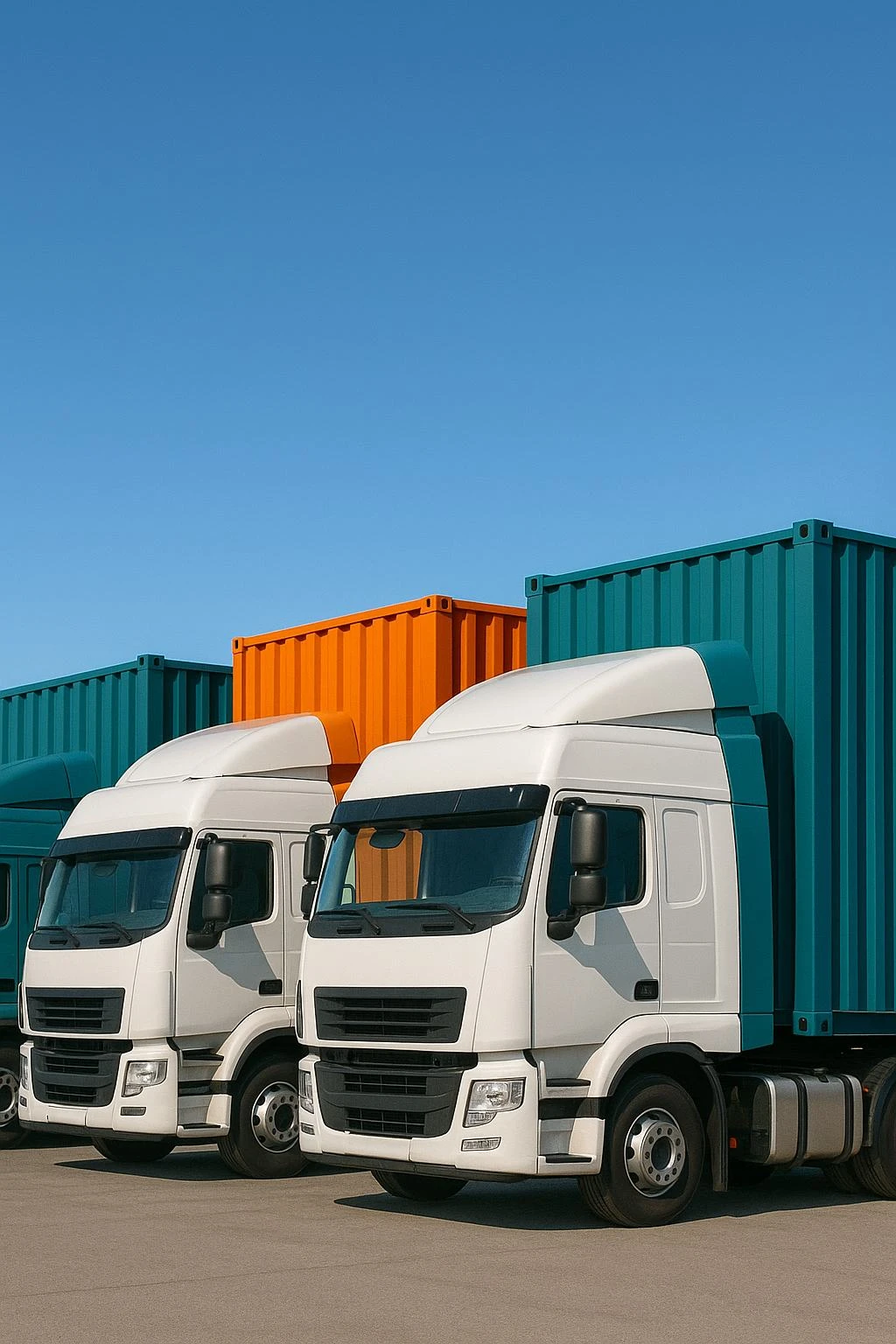
For flexible and cost effective transportation, our road freight services provide dependable overland shipping solutions between Armenia and the UK. Please note that long-haul road freight may be possible subject to routing and specific requirements.
We arrange dedicated and groupage road freight via major European motorway networks, with cross Channel transfers to the UK.

Our road freight services include:

  • Full Load (FTL)
  • Express road freight
  • Customs documentation
  • Temperature controlled transport
  • Part Load (LTL / groupage)
  • Door to door logistics
  • Cargo insurance
  • Oversized and heavy load shipments

Whether shipping luxury goods, retail products, art, consumer electronics or commercial stock, we can tailor a road freight solution to suit your budget and transit requirements, subject to routing feasibility.
Logistics solutions
Import from Armenia to the UK
Intercargo helps UK businesses import products and cargo from Armenia through a fully managed freight forwarding service.
Our import services include:

  • Supplier coordination
  • Air and road freight transportation
  • Duty and VAT guidance
  • Final delivery throughout the UK
  • Collection from Armenian businesses, warehouses and commercial premises
  • UK customs clearance
  • Warehousing and distribution

We regularly support imports including:

  • Luxury goods and cosmetics
  • Tobacco products
  • Art and collectibles
  • Food and beverage products
  • Pharmaceutical products
  • Electronics and retail stock
Our experienced team ensures your cargo moves efficiently from Armenia to the UK while remaining compliant with all customs and import requirements.
Logistics solutions
Export from the UK to Armenia
We also help UK businesses export goods to customers, distributors and partners throughout Armenia.
Whether shipping to Armenia, our export specialists can arrange a seamless freight solution by air or limited road freight.
Our export services include:

  • Air freight exports
  • Export documentation
  • Cargo insurance
  • Commercial and industrial shipments
  • Road freight exports
  • Customs compliance
  • Door to door delivery

From single shipments to regular freight movements, we provide scalable logistics solutions designed around your business requirements.
Logistics solutions
Why Choose Intercargo for Armenia Freight?
We support importers, exporters, retailers, distributors and e-commerce businesses moving cargo between Armenia and the UK.
Air Freight And Road Freight Specialists
Uk And Armenia Trade Lane Expertise
Import And Export Solutions
Customs Clearance Support
Door To Door Logistics
Dedicated Account Management
Global Carrier Network
Competitive Freight Rates
Get an Armenia Freight Quote

Looking for air freight from Armenia to the UK, road freight from Armenia to the UK, or export services from the UK to Armenia?
Contact Intercargo today for a tailored freight forwarding quotation and expert advice on the most efficient shipping solution for your cargo.
Logistics solutions
Latest News & Updates

AF KLM Cargo continues to benefit from shipper push to air

Air France KLM Martinair (AFKLMP) Cargo saw its revenues and volumes improve in the third quarter as shippers continued to utilise airfreight to avoid disruption in ocean shipping. The cargo division saw third-quarter revenues increase by 25.2% year on year to €677m, while volumes increased 5% to 236,000 tons. Cargo traffic in revenue tonne km (RTK) terms improved by 8% to 1.8bn RTK, while capacity was up by 2.3% to 3.9bn available RTK and the cargo load factor increased by 2.4 percentage points to 46%. Explaining the revenue and volume performance, the company highlighted disruption in ocean shipping and AI demand, which more than offset a decline in e-commerce volumes from Asia to Europe following the introduction of an import charge in July. "Demand continued to outpace capacity growth, supported by disruption to maritime routes around the Suez Canal and Strait of Hormuz, which led some shippers to move urgent, high-value goods by air," AFKLMP Cargo said. "The surge in demand for airfreight capacity associated with AI supply chains contributed to a tighter market environment. "This created opportunities for Air France-KLM Cargo to attract additional cargo volumes and opportunities for full freighter charters supporting our yield performance across the Group's network. "These factors supported the business amid a sharp decline in e-commerce shipments coming from Asia following the taxation of small parcels." The company added that freighter availability was limited by scheduled and unscheduled maintenance. In comparison, German rival Lufthansa Cargo saw its cargo traffic increase by 11% in the third quarter, while revenues were up 26%. The Frankfurt-based airline said it benefited from broad-based regional growth, additional India flights, and pharma and semiconductor demand growth. The overall Air France KLM Group saw third-quarter revenues increase by 7.6% to €9.9bn and net income was up 22.1% to €938m. Handling consolidation The increase in cargo revenues and volumes came on the same day it was announced that KLM will consolidate its cargo handling activities at Schiphol to its own warehouse as part of measures to improve its financial performance. "This will help prepare KLM Cargo for the new cargo terminal, scheduled for completion in 2035, and enable it to attract more transfer cargo passing through Schiphol," KLM said in an announcement. In 2024, Menzies Aviation announced a deal that would see it provide cargo warehouse and ramp handling services for all KLM/Martinair freighter operations at Schiphol for five years.

Source: aircargonews.net

Read more

Ecommerce growth leaves Latin America's air cargo imbalance unresolved

Growing ecommerce imports are reshaping Latin America's air cargo networks, but have yet to resolve the region's directional imbalance, with LATAM Cargo reporting that declining industrial shipments are offsetting some of the gains. Speaking to The Loadstar at TIACA's Air Cargo Forum in Miami last week, LATAM Cargo group CEO Andrés Bianchi said stronger online retail volumes did not tell the whole story of southbound demand. "First of all, it's important to note that ecommerce volumes have increased, but other commodities have decreased," he said. "That means still you face the imbalance, because the export sector is doing quite well." Auto parts and mining equipment were among the industrial goods affected, he explained. While a broader cargo mix offered diversification, greater reliance on ecommerce also introduced different risks. "They are much more exposed to regulatory cycles than other commodities. So you have to start thinking differently in terms of the risks you have to manage when you design your operation." For Avianca Cargo, ecommerce has become a major driver of southbound business, particularly from Miami to Colombia. "We also move mining cargo, auto parts, and pharmaceuticals, but the biggest share and the biggest growth is ecommerce, for sure," CEO Diogo Elias told The Loadstar. The carrier also moves ecommerce into Brazil, Chile, Ecuador, and Central America, while resumed freighter operations from Miami to Venezuela carry online retail shipments too. But matching Latin American exports with inbound demand requires balancing a network, rather than simply filling the return leg of individual routes. Mr Elias explained that around 90% of Avianca's South American cargo into Miami came from five principal origins. From Miami, however, the carrier served more than 30 destinations, distributing ecommerce alongside automotive parts, semiconductors, mobile phones, and other tech products. Strong export flows also mask pressure on shippers' costs. Speaking on a separate panel, Mr Bianchi said currency appreciation and minimum wage increases had, together, raised Colombian exporters' labour costs by 40% to 45% in dollar terms over the past year. "When you try to talk to them about higher prices when they are already facing a cost crunch, your approach has to be different, and you have to be a lot more creative," he said. Nor does all the region's Chinese ecommerce arrive through the US. Avianca also carries shipments through Madrid, using its passenger network to connect Europe with South America. "Our main hub in Europe is Madrid," Mr Elias said, explaining that it was the principal European gateway for the Chinese ecommerce carried by the airline. The ability of online platforms to develop alternative markets has also changed freighter deployment, according to Atlas Air executive Martin Drew. Following the removal of US de minimis treatment for Chinese shipments last year, platforms redirected volumes towards other destinations. "They ramped up existing markets, or seemingly created new markets, overnight," he told The Loadstar. "A good example was Lima in Peru. One of the biggest platforms said they now needed capacity into Lima. Today, we're still operating three flights a week from China into Lima, and that was a market they just switched over." However, that redeployment created another challenge when US demand recovered. Aircraft committed to serving Latin America were no longer readily available to accommodate the additional US business. "We had redirected so much capacity to Latin America that when we were asked for more capacity back into the US, there wasn't sufficient capacity," Mr Drew said. The changing routes also reinforce Miami's role as a connecting gateway. In his conference presentation, Rotate's Ryan Keyrouse highlighted transhipments and indirect capacity serving Asia-Latin America demand, while warning that an apparent global balance between supply and demand would not necessarily be reflected on individual tradelanes. For regional carriers, the task is, therefore, to respond to new demand without assuming today's cargo mix will remain unchanged. Mr Bianchi pointed to the growing importance of pharmaceuticals alongside ecommerce, but noted that even high-paying commodities had distinct vulnerabilities: pharmaceutical flows, for example, could fall when patents expired and local generic production developed. Rather than betting on a single growth sector, LATAM's approach was to retain the ability to adapt, he said. "More than understanding and trying to bet on the next big commodity, what we're trying to do is prepare ourselves to be able to react quickly in a cost-effective fashion in order to respond very well to our customers' needs."

Source: theloadstar.com

Read more

Fried outlines air cargo's challenges as he leaves the AfA

On 3 November, Brandon Fried handed over the baton at the Airforwarders Association after a prolific spell at the helm that lasted over two decades and inexorably linked his name to the air cargo security regime that he helped shape. Fried first joined the AfA in 2000 and became its chairperson the following year for two consecutive terms before he was appointed as its executive director in 2005. At that time, the association's agenda had been jerked sideways by the convulsions following the 9/11 terrorist attacks that brought aviation security and the regulatory side squarely into focus. "Some people in Congress wanted to pull cargo from passenger planes," he recalls. "We had to make sure the security regime would not cripple commerce while trying to make the skies safer." "Until 9/11 safety and security often times took a back seat. People didn't understand the terrorist threat until then. This changed with the inception of the TSA and the realisation that we're at the front lines. We realised that failure of our imagination is not permissible," he continues. He spent a lot of time on Capitol Hill, explaining to lawmakers and their staff how air cargo works and what repercussions some of the proposed measures to tighten security would have. "I learned that a lot of what gets done in Washington is what doesn't get done. A lot of ideas are brought up; many of them are buried in committee and never see the light of day. An important part is to stop bad ideas and shift the thinking in another direction," he says. Fried did more than just deflect counterproductive ideas. His tireless work turned him into a go-to person on the issue for the industry and one of its main voices in the dialogue with the TSA. He was one of the architects of the emerging security regime who sat at the table when the legislation was drafted. Monitor mission Security was not the only factor that put the regulatory side into a stronger focus for the AfA. One day Fried received a call from a friend at a trucking association drawing his attention to a new highway bill. Buried in the lengthy document published the previous evening was a clause introducing a bond requirement that had been added at the last minute, which also affected forwarders. The incident convinced the leadership of the AfA that it needed a lobbyist who is on top of developments in Congress and monitors every piece of legislation that deals with logistics. Fried likens this to NASA's monitoring of space junk to avert collisions with satellites. "You can't do it all yourself. You've got to surround yourself with competent people," he says. Another lesson from Capitol Hill was that there is strength in numbers. Fried learned that approaching legislators on an issue is more impactful if this is done by several industry groups joining hands on a matter of mutual interest. This has led to sustained collaboration with the National Retail Federation and other organisations. "We have divergent interests, but there are also things we have in common," Fried says. Developing and nurturing collaboration beyond the AfA's proprietary focus has been a key plank in the organisation's evolution over the past decades. A visible manifestation of this is the annual AirCargo conference, which it holds in partnership with the Air & Expedited Motor Carriers Association, a permanent fixture on the industry calendar. Within the AfA, this thinking shows in the inclusion of airlines, airports, trucking providers and handling agents. "We felt we should have them at the table and hear their perspective," Fried says. "This is still a people business. That's one thing that hasn't changed in the past 21 years." Former Airlink president and chief executive Steve Smith, who takes over from Fried, will have plenty of issues to deal with, Fried says. "The challenges have changed, but they're still numerous," he remarks, pointing to the global uncertainty that is looming over the industry and its clientele, the situation in the Middle East and its ramifications for air cargo flows, the cost of fuel and insurance, and the heightened threat from crime. "Cargo theft has always been an issue; now it's in hyperdrive," he says. "The bad guys got smart. They leverage automation, and they've learned how to circumvent GPS tracking devices." Airport infrastructure issues are another concern for forwarders, he notes. "We have bottlenecks at the major airports because of a complete lack of cargo infrastructure investment," he says. Of a more direct concern for forwarders is IATA's white paper on the Direct Air Waybill framework. "IATA is telling us: 'You're on the air waybill; you've got to take full responsibility.' Freight forwarders should not be expected to assume liability for cargo they neither own, pack, nor control. We're intermediaries," he says.

Source: aircargonews.net

Read more

Privacy Preference Center

This website uses cookies and similar technologies, (hereafter “technologies”), which enable us, for example, to determine how frequently our internet pages are visited, the number of visitors, to configure our offers for maximum convenience and efficiency and to support our marketing efforts. These technologies incorporate data transfers to third-party providers based in countries without an adequate level of data protection (e. g. United States). For further information, including the processing of data by third-party providers and the possibility of revoking your consent at any time, please see your settings under “Consent Preferences” and our Privacy Notice.


Manage Consent Preferences
Strictly Necessary Cookies
Always Active

Performance Cookies

Functional Cookies

Targeting Cookies