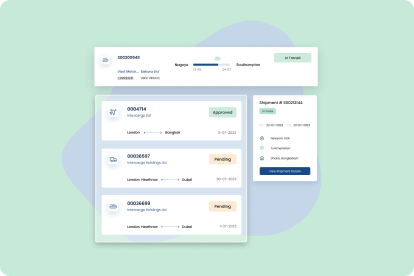
We understand the ever changing needs of our customers

we provide a high level of service dedicated to fulfilling all your shipping requirements

Watch Video
Road Freight

Keep all your data in one place which can be accessed from anywhere and anyplace

Let us help you 24/7 manage your supply chain needs

Back to Blogs

Sea Freight Explained: A Guide for Importers and Exporters

Sea freight remains one of the most important ways of transporting goods around the world. From raw materials and machinery to retail products and palletised cargo, huge volumes of international trade move by sea every day.
For importers and exporters, sea freight can provide a practical and cost effective way to move large quantities of goods internationally.
However, arranging a sea freight shipment involves more than simply putting cargo into a container and sending it overseas. Businesses need to consider container options, transit times, customs clearance, documentation and onward delivery.

In this guide, we explain how sea freight works, the different shipping options available and what businesses should consider when planning an international shipment.
Logistics solutions
What Is Sea Freight?
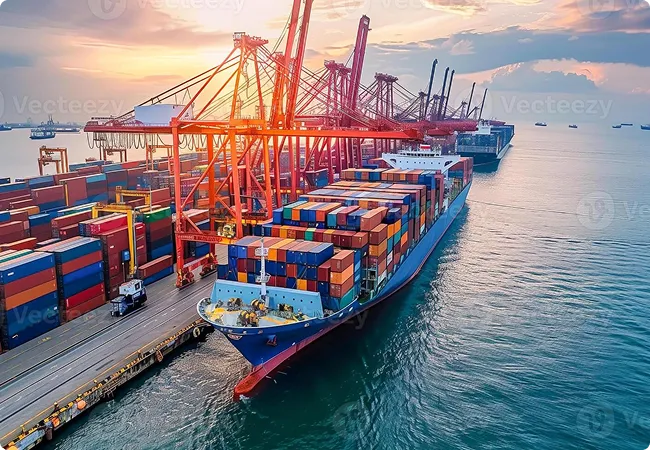
Sea freight, also known as ocean freight, is the transportation of goods by sea between ports in different countries.
Cargo is commonly transported inside shipping containers, which can then move between ships, ports, trucks and other parts of the logistics network.

Sea freight is particularly suited to businesses transporting:
  • Large quantities of goods
  • Heavy or bulky cargo
  • Machinery and equipment
  • Raw materials
  • Furniture and household products
  • Palletised goods
  • Regular international shipments
Compared with air freight, sea freight generally provides significantly more capacity and can be more economical for larger shipments.
Logistics solutions
How Does Sea Freight Work?
A typical sea freight shipment involves several stages.
First, the goods are prepared and packed appropriately for international transportation. Depending on the shipment, cargo may be loaded into a dedicated container or consolidated with goods belonging to other shippers.
The container or cargo is then transported to the departure port and prepared for loading onto the vessel.
Once the vessel reaches the destination port, the goods must be unloaded and complete the necessary customs and import procedures before being released for onward transportation.

A typical journey may therefore involve:
Collection → Export handling → Origin port → Ocean transport → Destination port → Customs clearance → Final delivery
A freight forwarder can coordinate these different stages, helping importers and exporters manage the movement from origin to destination.
Logistics solutions
FCL vs LCL Sea Freight

One of the first decisions when arranging sea freight is whether to use FCL or LCL shipping.

FCL
FCL

FCL stands for Full Container Load.
With FCL shipping, a container is allocated to a single shipper's cargo rather than being shared with goods from multiple customers.
FCL can be suitable when you have enough cargo to justify using a full container or when you want greater control over how your goods are loaded.
Common container sizes include 20 foot and 40 foot containers, although the appropriate equipment will depend on the cargo.

LCL
LCL

LCL stands for Less than Container Load.
With LCL shipping, your cargo shares container space with shipments from other customers.
This can be useful when you don't have enough goods to fill an entire container and don't want to pay for space you aren't using.
Your shipment is consolidated with other cargo before departure and separated again at the destination. For smaller sea freight shipments, LCL can therefore provide a flexible alternative to booking a complete container.

What Are The Advantages Of Sea Freight?
Cost Effective for Larger Shipments
One of the biggest reasons businesses use sea freight is its ability to move large quantities of goods economically.
For heavy or high volume cargo, shipping by sea will often be more practical than transporting the same quantity by air. The exact cost will depend on factors such as the route, container type, shipment size and additional services required.

Large Cargo Capacity
Container ships can transport enormous quantities of cargo.
This makes sea freight particularly useful for businesses importing or exporting commercial volumes of goods, heavy equipment or products that would be difficult or expensive to transport by aircraft.

FCL and LCL Flexibility
You don't necessarily need enough cargo to fill an entire shipping container.
FCL and LCL options allow businesses to choose a service based on the size and requirements of their shipment.
This means sea freight can work for both businesses moving complete container loads and companies transporting smaller quantities internationally.

Suitable for Regular Supply Chains
For businesses with predictable demand and effective inventory planning, sea freight can form the backbone of an international supply chain.
Regular shipments can be planned around expected stock requirements, allowing businesses to take advantage of sea freight capacity while accounting for longer transit times.
Logistics solutions
What Are The Disadvantages Of Sea Freight?
The main consideration is time.
Sea freight is considerably slower than air freight. Depending on the origin, destination, shipping route and service, goods may spend several weeks in transit.
Businesses therefore need to plan ahead.
There may also be additional time involved at the origin and destination for container handling, consolidation, customs procedures and onward transportation.
This makes accurate supply chain planning particularly important.
If goods are extremely urgent, air freight may be more appropriate.
Logistics solutions
How Long Does Sea Freight Take?
There isn't one standard sea freight transit time.
The time required depends on factors including:
  • Port of origin
  • Destination port
  • Shipping route
  • Direct or transshipment service
  • Carrier schedule
  • Port conditions
  • Customs procedures
  • Inland transportation requirements

It's also important to distinguish between port to port transit time and the complete door to door lead time.
A vessel's sailing time only represents one part of the shipment.
Importers should account for collection, export procedures, port handling, customs clearance and delivery when planning when goods will actually become available.
Logistics solutions
How Much Does Sea Freight Cost?
Sea freight costs depend on the individual shipment.
Important factors can include:
  • Origin and destination
  • FCL or LCL service
  • Container size and type
  • Cargo volume
  • Cargo weight
  • Shipping route
  • Carrier availability
  • Collection and delivery requirements
  • Port and handling charges
  • Customs related services

For this reason, comparing freight quotes based solely on the headline ocean rate can be misleading.
Businesses should understand which services and charges are included so they can compare the complete cost of moving their goods.
Logistics solutions
What Is a Bill of Lading?
The Bill of Lading (B/L) is one of the most important documents used in sea freight.
It contains key information relating to the shipment and transportation of the goods.
Depending on the shipment and arrangement, different types of bills of lading may be used.
Because the document can have important operational and legal implications, importers and exporters should ensure that the shipment details are accurate.
Logistics solutions
Is Sea Freight Right for Your Business?
Sea freight can be an excellent option when your business is transporting larger quantities internationally and has enough time to accommodate the longer journey.
It may be particularly suitable when:
  • Your cargo is large or heavy
  • You're shipping commercial volumes
  • Delivery isn't extremely urgent
  • You regularly import or export goods
  • You need FCL or LCL options
  • Cost efficiency is more important than speed

For urgent, lightweight or particularly time sensitive goods, air freight may be a better alternative.
Many businesses use both.
Regular inventory might travel by sea, for example, while urgent replenishment or critical products are transported by air.
Logistics solutions
Planning Ahead for Sea Freight
Successful sea freight is largely about planning.
Importers and exporters should consider more than the vessel's estimated transit time. The complete supply chain needs to account for collection, documentation, port handling, customs procedures and final delivery.
Businesses should also consider what would happen if a shipment takes longer than expected.
Maintaining appropriate stock levels and booking shipments early can help create a more resilient supply chain.
Working with an experienced freight forwarder can also make the process easier by providing a single point of contact for the different stages of an international shipment.
Logistics solutions
Sea Freight Services With Intercargo Logistics
At Intercargo Logistics, we help businesses manage international sea freight shipments from origin to destination.
Whether you're moving a full container, a smaller LCL shipment or need support coordinating your wider international logistics, our team can help identify a solution based on your cargo, destination and timescale.
With the right planning, sea freight can provide businesses with an efficient and cost effective way to move goods across international markets.
Logistics solutions
Need a Sea Freight Quote?
If you're planning an import or export shipment, speak to Intercargo Logistics about your requirements.
Tell us what you're shipping, where it's coming from, where it's going and when you need it delivered, and our team can help you explore the available sea freight options.
Contact Intercargo Logistics today to discuss your next sea freight shipment.
Logistics solutions

Privacy Preference Center

This website uses cookies and similar technologies, (hereafter “technologies”), which enable us, for example, to determine how frequently our internet pages are visited, the number of visitors, to configure our offers for maximum convenience and efficiency and to support our marketing efforts. These technologies incorporate data transfers to third-party providers based in countries without an adequate level of data protection (e. g. United States). For further information, including the processing of data by third-party providers and the possibility of revoking your consent at any time, please see your settings under “Consent Preferences” and our


Privacy Notice


Privacy Preference Center

Strickly Necessary Cookies
Always Active

Performance Cookies

Functional Cookies

Targeting Cookies