We understand the ever changing needs of our customers

we provide a high level of service dedicated to fulfilling all your shipping requirements

Watch Video
Road Freight

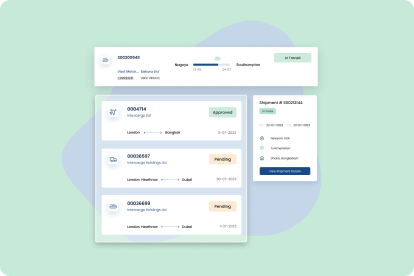
Keep all your data in one place which can be accessed from anywhere and anyplace

Let us help you 24/7 manage your supply chain needs

Back to Blogs

International Freight and Cargo Services: A Guide to Moving Goods Worldwide

International trade depends on goods moving efficiently between countries, suppliers, warehouses and customers. Whether you're importing products into the UK, exporting to customers overseas or managing a global supply chain, choosing the right freight solution can have a significant impact on cost, delivery times and reliability.

That's where international freight and cargo services come in.
From air freight and sea freight to road transport and customs clearance, international logistics can involve several different services working together to move a shipment from its point of origin to its final destination.
Logistics solutions
What Are International Freight And Cargo Services?
International freight and cargo services involve the transportation and coordination of commercial goods between countries.
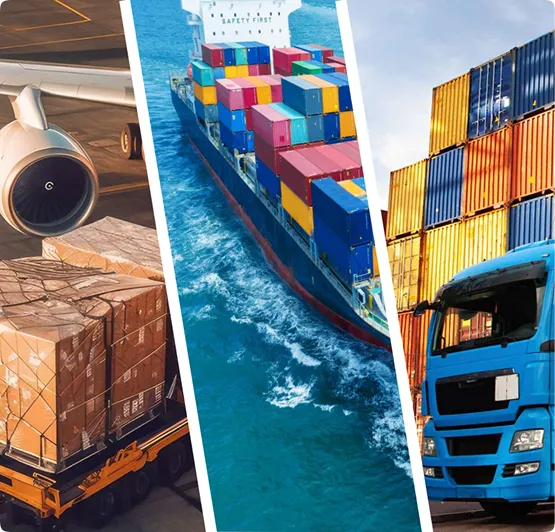
Depending on the shipment, goods may travel by:
  • Air
  • Sea
  • Road
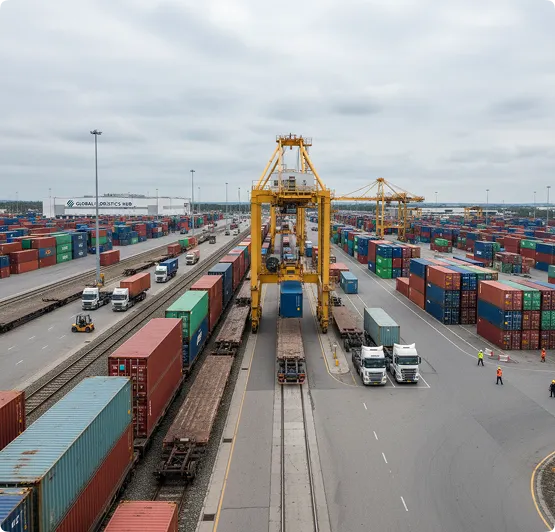
  • Rail
  • A combination of transport methods

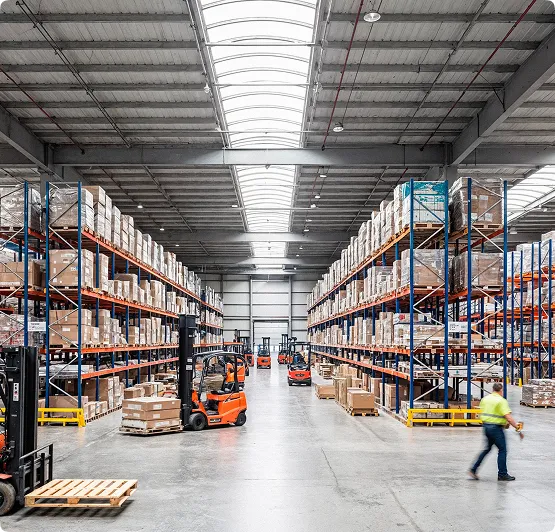
The journey can also involve collection, warehousing, customs clearance, documentation, port or airport handling and final delivery.
For example, a shipment imported from Asia into the UK might be collected from a supplier by truck, transported to a seaport, shipped by container to the UK and then delivered by road to the importer's warehouse.
International freight is therefore about more than the main method of transportation. It's about coordinating the complete movement of cargo through the supply chain.
Logistics solutions
What Does a Freight Forwarder Do?
A freight forwarder helps businesses organise and coordinate the transportation of goods.
Rather than importers and exporters arranging every stage separately, a freight forwarder can help manage the different parties and processes involved in moving cargo internationally.
Depending on the shipment, this can include:

For businesses trading internationally, having a single logistics partner can make complex shipments easier to manage.
Logistics solutions
International Air Freight
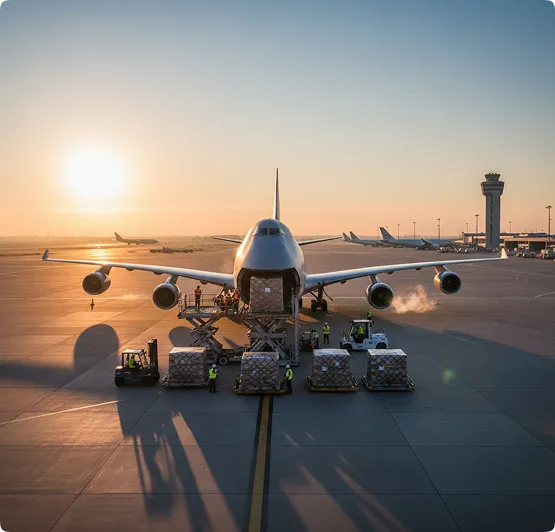
Air freight is one of the fastest ways to transport commercial goods internationally.
Cargo can move between major international airports in a relatively short period, making air freight particularly useful for urgent and time sensitive shipments.
Air freight can be suitable for:
  • Electronics
  • High value products
  • Automotive components
  • Pharmaceuticals
  • Fashion and seasonal goods
  • Urgent replacement parts
  • Samples and prototypes

Speed is the main advantage.
If a manufacturer urgently needs a component to keep production running, for example, the higher transportation cost of air freight may be justified by avoiding a much more expensive production delay.
However, air freight has greater limitations on cargo size and weight than sea freight and will generally cost more. Businesses should therefore consider the commercial value of faster delivery when deciding whether to transport goods by air.
Logistics solutions
International Sea Freight
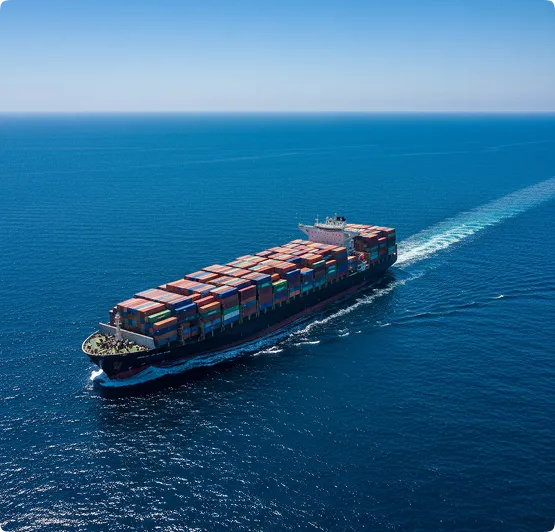
For larger and heavier shipments, sea freight is one of the most important methods of international cargo transportation.
Container ships move enormous quantities of goods between ports around the world, making sea freight particularly suitable for high volume international trade.
Businesses can typically choose between:

Full Container Load (FCL)
FCL involves using a container for a single shipper's cargo. This can be suitable when a business has enough goods to justify a full container or requires greater control over how the cargo is loaded.

Less than Container Load (LCL)
LCL allows smaller shipments to share container space with cargo belonging to other customers. This means businesses don't necessarily need enough goods to fill an entire container to benefit from sea freight.
Sea freight generally provides a cost effective solution for larger shipments, although transit times are considerably longer than air freight. Importers should therefore plan inventory and shipping schedules carefully.
Explore Intercargo's freight services.
Logistics solutions
UK And European Road Freight
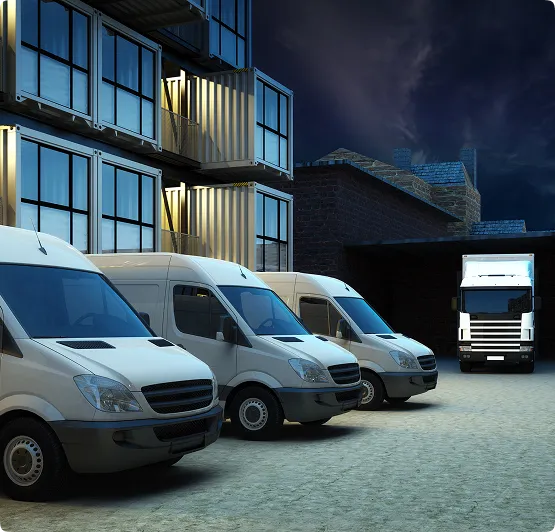
Road freight provides flexible transportation for goods moving within the UK and between the UK and European destinations.
It is particularly valuable because trucks can collect and deliver goods directly between commercial locations.
Services can include:
  • Full Truck Load (FTL)
  • Less Than Truck Load (LTL)
  • Groupage freight
  • Pallet transport
  • Dedicated vehicles
  • Express deliveries

For smaller shipments, groupage services can allow businesses to share vehicle capacity with other cargo. For larger or more urgent shipments, a full or dedicated vehicle may provide a more suitable solution.
Road freight is also an essential part of air and sea freight.
Even when cargo travels thousands of miles by aircraft or container ship, road transport will often be used to move it to or from the airport or port.
Explore Intercargo's road and international freight services.
Logistics solutions
Customs Clearance
International freight and customs clearance go hand in hand.
When goods cross customs borders, the appropriate declarations and documentation may need to be completed before the cargo can continue its journey.
Customs requirements can depend on:
  • The type of goods
  • Commodity classification
  • Value
  • Country of origin
  • Destination
  • Import or export procedure
  • Applicable duties and taxes
  • Licences or certificates

Incorrect or incomplete information can potentially cause delays.
For importers and exporters, customs should therefore be considered at the beginning of the shipping process rather than after goods have already arrived at the border.
Explore Intercargo's freight and customs services →
Logistics solutions
Choosing Between Air, Sea And Road Freight
The right method depends on what you're shipping and what your business needs.

Choose Air Freight When Speed Matters
Air freight can be suitable when goods are urgent, valuable or time sensitive.
The transportation cost may be higher, but getting the cargo to its destination quickly can provide greater commercial value.

Choose Sea Freight for Larger Shipments
Sea freight can be more appropriate when you're moving large or heavy quantities internationally and can accommodate longer transit times.
Good inventory planning can allow businesses to benefit from the capacity and economics of ocean transportation.

Choose Road Freight for UK and European Movements
Road freight can provide a flexible solution for domestic and European transportation, particularly when direct collection and delivery are important.
Businesses can choose between consolidated and dedicated services depending on the shipment.

Consider Rail Freight for Multimodal Transport
Rail freight can provide another option for businesses moving cargo over long distances. It can also be combined with air, sea and road transportation as part of a multimodal freight strategy.
Logistics solutions
Can You Combine Different Freight Services?
Yes, and many international shipments do exactly that.
A supply chain doesn't need to rely exclusively on one mode of transport.
Imagine a UK importer purchasing goods from a manufacturer overseas. The cargo might initially travel by road from the manufacturer's warehouse to a port. It could then travel thousands of miles by sea before arriving at a UK port, completing customs clearance and being transported by truck to the importer's warehouse.

Another business might ship most of its inventory by sea but use air freight when stock is urgently required.
Using different transport methods strategically can help businesses balance cost, capacity and speed.
Logistics solutions
What Determines International Freight Costs?
International freight prices depend on many variables, so there isn't one standard rate for transporting cargo.
Factors can include:
  • Origin and destination
  • Transport method
  • Cargo weight
  • Cargo dimensions
  • Shipment volume
  • Type of goods
  • Required transit time
  • Collection and delivery locations
  • Customs requirements
  • Fuel and market conditions
  • Carrier capacity
  • Additional handling requirements

For air freight, the relationship between actual weight and volumetric weight can be particularly important. For sea freight, costs can depend on whether the shipment moves as FCL or LCL and which container or service is required. For road freight, the number of pallets, distance, vehicle type and whether the service is consolidated or dedicated can influence pricing.
Accurate shipment information is therefore essential when requesting an international freight quote.
Logistics solutions
What Information Do You Need for A Freight Quote?
Before contacting a freight forwarder, businesses should gather as much information as possible about their shipment.
Useful information includes:
  • Collection location
  • Delivery location
  • Number of packages or pallets
  • Dimensions
  • Gross weight
  • Description of goods
  • Commodity information
  • Preferred transport method
  • Required delivery date
  • Whether customs clearance is required

The more accurate the information provided, the easier it is to identify a suitable service and provide meaningful pricing.
Logistics solutions
What Documents Are Needed For International Freight?
Documentation requirements vary according to the cargo and countries involved.
Common documents can include:
  • Commercial invoice
  • Packing list
  • Air Waybill for air freight
  • Bill of Lading for sea freight
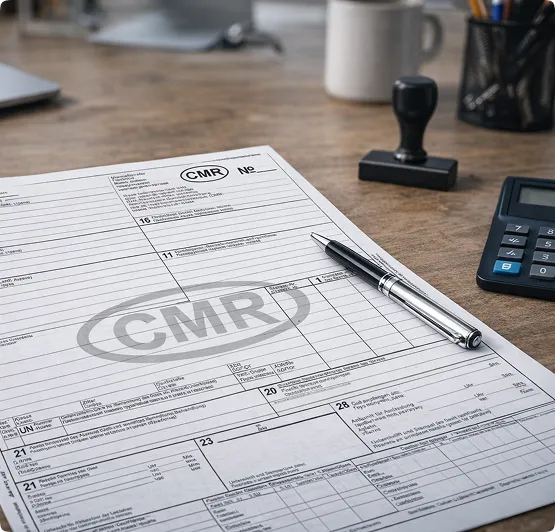
  • CMR documentation for certain road movements
  • Customs documentation
  • Certificates of origin where applicable
  • Import or export licences where required

Businesses should establish the documentation requirements before dispatching cargo.
Errors discovered after goods have started moving can create unnecessary delays and additional costs.
Logistics solutions
Why Freight Planning Matters
Successful international freight is often the result of good planning.
Businesses should consider the complete door to door journey rather than focusing solely on the main transportation leg.

A sea freight transit time, for example, doesn't necessarily tell you exactly when goods will reach your warehouse. The complete journey might include collection, export procedures, port handling, ocean transportation, destination handling, customs clearance and final road delivery.
Importers and exporters should therefore work backwards from when the goods are actually required.
Logistics solutions
How To Choose An International Freight Forwarder
Choosing a freight forwarder isn't simply about finding the lowest freight rate.
Businesses should consider whether their logistics provider understands the complete requirements of their shipments.

Useful questions include:
Can they arrange the transport method you need? Can they support customs clearance? Do they cover your required origins and destinations? Can they coordinate door to door transportation? Can they help when requirements change?
Communication is also important. International supply chains can involve multiple carriers, borders and handling points. Having a freight partner that can coordinate these different stages can make managing shipments considerably easier.
Logistics solutions
International Freight Services With Intercargo Logistics
Intercargo Logistics helps importers and exporters move cargo across international markets.
Intercargo's freight and logistics services include:
  • International air freight
  • International sea freight
  • UK and European road freight
  • Rail freight
  • Customs clearance
  • Import and export logistics
  • Door to door freight solutions
  • Warehousing
  • Project cargo
  • Aircraft charter
  • Dangerous goods services

Whether you're moving an urgent air freight shipment, importing containers by sea or transporting pallets across Europe, Intercargo can help identify a solution based on your cargo, destination, timescale and requirements.
Rather than looking at individual transport stages in isolation, international freight forwarding can coordinate the wider journey and keep goods moving through the supply chain.
Explore Intercargo's international freight and logistics services.
Logistics solutions
Need An International Freight Quote?
Planning an international shipment?
Tell Intercargo Logistics what you're shipping, where the cargo is coming from, where it needs to go, its dimensions and weight, and when it needs to arrive.
The team can help you explore available air, sea, road and multimodal freight options and coordinate the customs requirements associated with your shipment.
Contact Intercargo Logistics to discuss your international freight and cargo requirements.
Read more freight and logistics guides from Intercargo.
Logistics solutions

Privacy Preference Center

This website uses cookies and similar technologies, (hereafter “technologies”), which enable us, for example, to determine how frequently our internet pages are visited, the number of visitors, to configure our offers for maximum convenience and efficiency and to support our marketing efforts. These technologies incorporate data transfers to third-party providers based in countries without an adequate level of data protection (e. g. United States). For further information, including the processing of data by third-party providers and the possibility of revoking your consent at any time, please see your settings under “Consent Preferences” and our


Privacy Notice


Privacy Preference Center

Strickly Necessary Cookies
Always Active

Performance Cookies

Functional Cookies

Targeting Cookies