Consumer Goods Logistics: Keeping Global Supply Chains Moving
The consumer goods industry relies on efficient and dependable logistics to keep products moving from manufacturers and suppliers to warehouses, retailers and customers. With supply chains often spanning multiple countries, businesses need reliable freight solutions that can adapt to changing demand, tight delivery schedules and international shipping requirements.
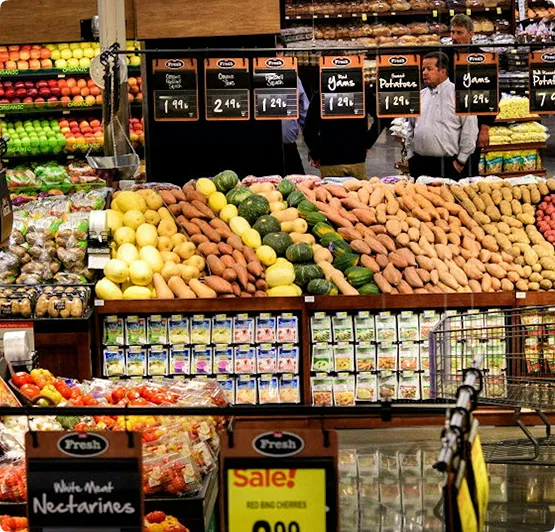
From everyday household products and personal care items to packaged goods and retail products, effective consumer goods logistics plays an important role in maintaining product availability and supporting customer expectations.
What Is Consumer Goods Logistics?
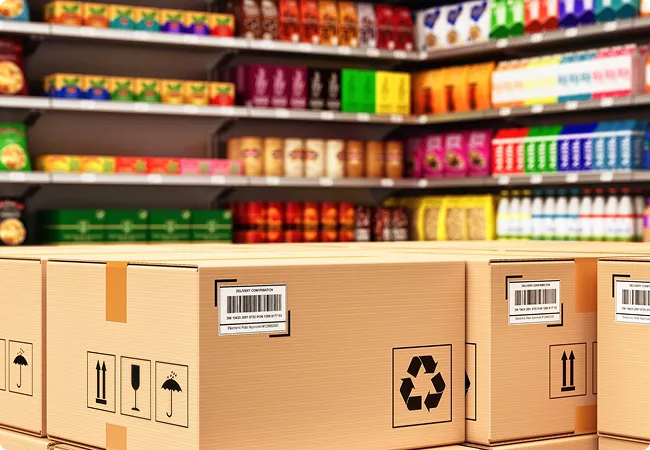
Consumer goods logistics covers the planning, transportation, storage and distribution of products throughout the supply chain.
For many businesses, this can involve coordinating shipments from international suppliers, arranging customs clearance, managing warehousing and ensuring products reach their destination on time.
A well managed logistics operation can help businesses maintain stock levels, improve delivery performance and respond more effectively when demand changes.
The Challenges Of Consumer Goods Supply Chains
Consumer goods supply chains can be complex. Products may pass through several countries and different stages of the supply chain before reaching their final destination.
Some of the common challenges include:
Changing consumer demand & seasonal sales spikes
Managing inventory across different locations
Controlling transportation and storage costs
International customs requirements & transport delays
Meeting retailer and customer delivery deadlines
Having a clear logistics strategy can help businesses manage these challenges while maintaining a consistent flow of goods.
Choosing the Right Freight Solution
Different consumer goods shipments have different transportation requirements. Choosing the right mode of freight depends on factors such as shipment size, destination, budget and delivery timeframe.
Air Freight
Air freight provides a fast solution for time sensitive consumer goods shipments. It can be particularly useful for urgent replenishment, product launches and shipments where delivery speed is a priority.
Sea Freight
For larger volumes, sea freight can provide an efficient option for international transportation. Intercargo provides both LCL and FCL shipping options, allowing businesses to move anything from smaller consolidated shipments to full container loads.
Road Freight
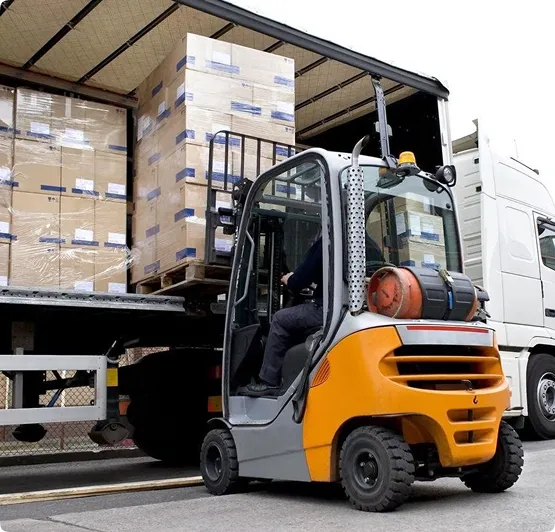
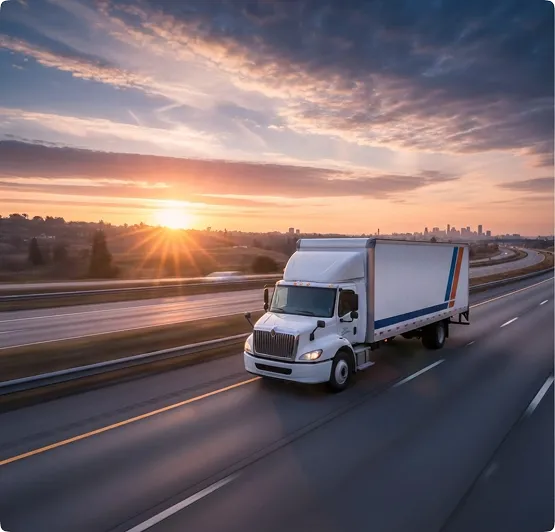
Road freight is an important part of regional and domestic supply chains, connecting manufacturers, warehouses, distribution centres and retailers. Intercargo provides both Less Than Truckload (LTL) and Full Truckload (FTL) road freight options.
Rail Freight
Rail freight provides another transportation option for certain international and regional movements, enabling flexible multimodal strategies. Using different modes of transport where appropriate can help consumer goods businesses balance cost, capacity and delivery requirements.
International Shipping and Customs Clearance
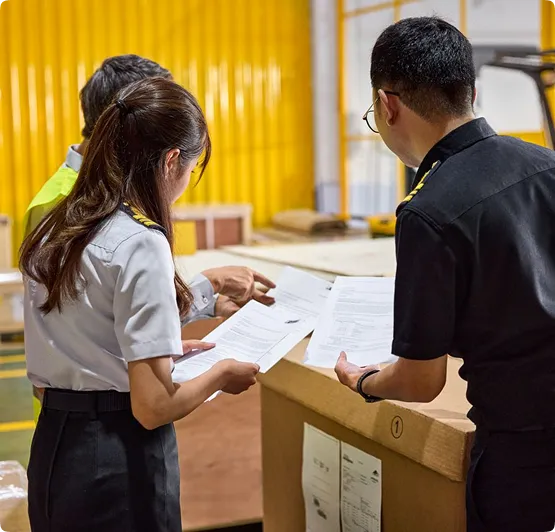
Moving consumer goods across international borders requires careful planning. Customs documentation, product classifications and import requirements all need to be considered before goods reach their destination.
Incorrect or incomplete information can result in delays and additional costs.
UK importers and exporters can use the UK Trade Tariff to look up commodity codes, duties, VAT and other measures that may apply to their products.
Businesses new to importing can also use the GOV.UK guide to importing goods into the UK to understand the main steps involved.
Working with an experienced freight forwarding partner can help businesses coordinate transportation and customs requirements across the wider supply chain.
Warehousing And Inventory Management
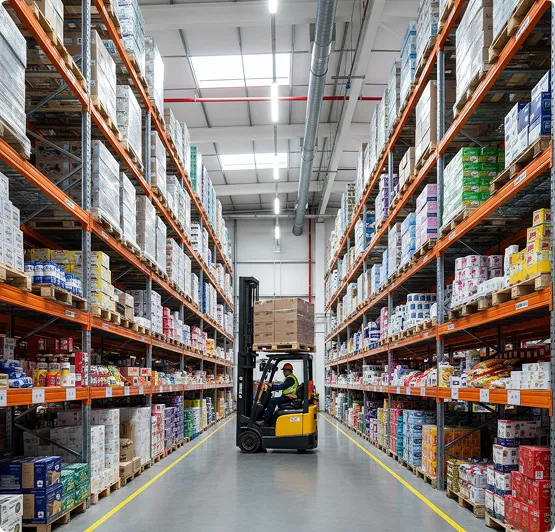
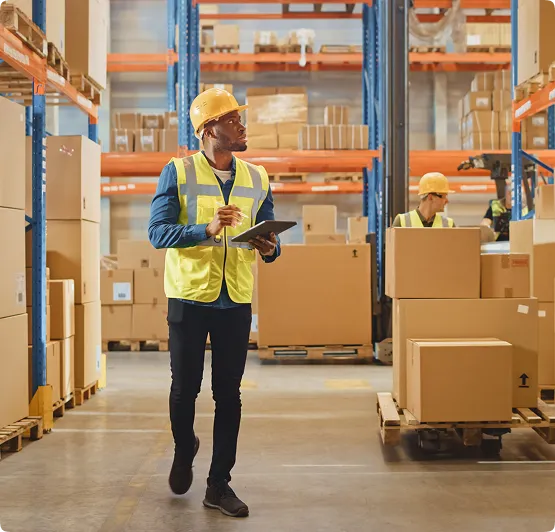
Warehousing is another important part of the consumer goods supply chain.
Businesses need to ensure that products are available in the right locations while avoiding unnecessary levels of stock. Effective warehousing and inventory management can support smoother distribution and help businesses respond to changes in demand.
By connecting warehousing with transportation and order management, businesses can create a more coordinated approach to moving goods from suppliers through to their final destination.
Intercargo's wider logistics offering combines freight options, warehousing, fulfilment and supply chain visibility within the same logistics network.
Discover why businesses use Intercargo for international logistics.
Managing Urgent Consumer Goods Shipments
Not every shipment can be planned months in advance. A sudden increase in demand, an unexpected stock shortage or a delayed shipment may require goods to be moved quickly.
In these situations, access to expedited freight solutions can make a significant difference.
Air freight can provide a faster option for urgent international shipments, while Intercargo also provides same day road transportation for suitable time critical deliveries within the UK and mainland Europe.
The ability to switch between different freight options can help businesses minimise disruption and maintain product availability when normal supply chain plans change.
Improving Supply Chain Visibility
Visibility is increasingly important for businesses managing international consumer goods supply chains.
Knowing where a shipment is, when it is expected to arrive and whether there are any potential delays allows businesses to make better decisions.
Greater visibility can also improve communication between suppliers, logistics providers, warehouses, retailers and customers.
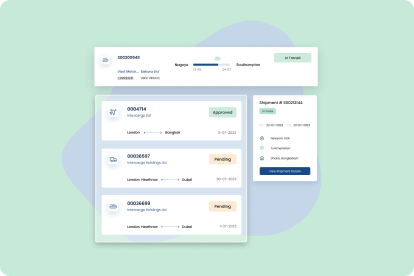
Intercargo provides online freight tracking, allowing customers to access shipment updates and tracking information using their booking reference.
Its wider digital logistics platform also provides order status, progress information and milestone notifications across air, sea and road shipments.
Building a More Flexible Supply Chain
Consumer demand can change quickly, and logistics strategies need to be flexible enough to respond.
Businesses can improve supply chain resilience by considering different freight options, planning for peak periods, maintaining appropriate inventory levels and working with logistics partners that can adapt when requirements change.
Having access to air freight, sea freight, road transport and rail freight gives businesses more options when capacity, transit times or customer requirements change.
A flexible approach can help businesses manage unexpected challenges while continuing to deliver products to their customers.
How Intercargo Supports Consumer Goods Logistics
Intercargo Logistics provides logistics solutions for businesses operating across international markets, helping customers manage their freight and supply chain requirements.
Our capabilities include:
Air Freight
Sea Freight
Road Freight
Rail Freight
Customs Clearance
Warehousing
Courier Services
International Freight Forwarding
Intercargo operates through a global network of offices and agents covering more than 230 countries and territories, helping businesses coordinate shipments across international markets.
Businesses can learn more about Intercargo's global freight forwarding capabilities.
Keeping Consumer Goods Moving
Reliable logistics is essential for consumer goods businesses operating in competitive and fast moving markets.
From international freight and customs clearance to warehousing and urgent deliveries, having the right logistics strategy can help businesses improve efficiency, maintain product availability and respond to changing customer demand.
Intercargo provides flexible global logistics solutions designed to help consumer goods businesses keep their supply chains moving.
This website uses cookies and similar technologies, (hereafter “technologies”), which enable us, for example, to determine how frequently our internet pages are visited, the number of visitors, to configure our offers for maximum convenience and efficiency and to support our marketing efforts. These technologies incorporate data transfers to third-party providers based in countries without an adequate level of data protection (e. g. United States). For further information, including the processing of data by third-party providers and the possibility of revoking your consent at any time, please see your settings under “Consent Preferences” and our